
“Dispatches by NOOR is a series of photoessays and interviews, dedicated to the community of storytellers within and around us.”
In an era of fleeting visuals, NOOR recognises the need for deep, lasting connections that produce narratives extending beyond instant gratification. With this in mind, we continue with the second DISPATCH by NOOR, a concept designed for learning, exchanging ideas, sparking discussions, and promoting educational solidarity in visual storytelling.
DISPATCHES aims to inspire like-minded creatives to learn from each other, fueling inclusive conversations on key contemporary issues, and amplifying each other's voices through the personal experiences of visual storytellers. We believe it is crucial to highlight not only the stories themselves but also what drives the narrators to focus on their projects, their personal journeys, creative processes, and outcomes.
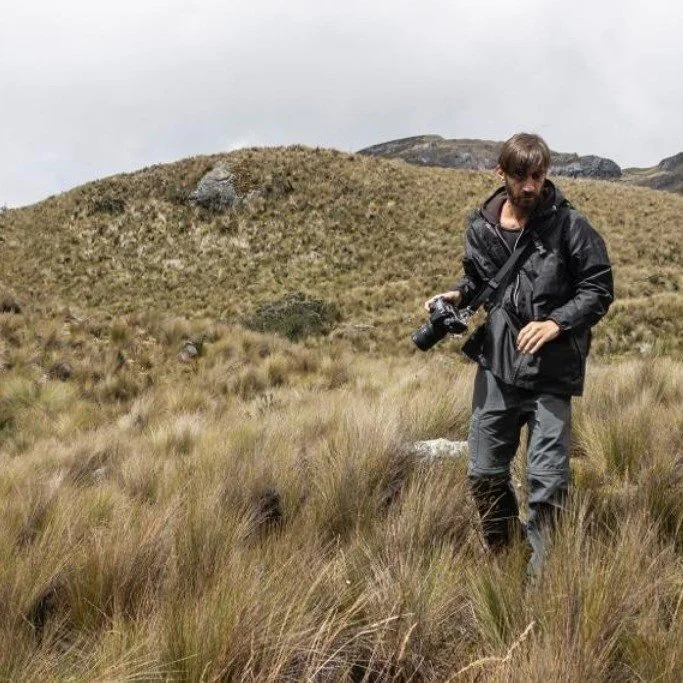
We share Yuri Segalerba’s climate story on dengue fever in Nepal’s Himalayan districts, alongside an interview.
Story by Yuri Segalerba, photographed in Nepal between July and September 2025.
Interview by Betül Ellialtıoğlu / NOOR.
Dengue Fever Reaches Nepal’s Himalayan Districts
Due to climate change, Nepal is experiencing a concerning spread of dengue into mountainous regions where the disease was unknown until a few years ago. In 2025, 14 of the country’s 16 high-altitude districts reported infections, marking an unprecedented expansion of the virus beyond 2,400 meters above sea level.
A study by Tribhuvan University in Kathmandu confirmed the presence of Aedes aegypti and Aedes albopictus mosquitoes, and their larvae, in the Chandannath municipality, Jumla district, at 2,438 meters above sea level. In Solukhumbu district, no systematic scientific research has yet been conducted, but dengue cases have been reported in patients without travel history, suggesting the possible presence of vectors in this Himalayan area as well.
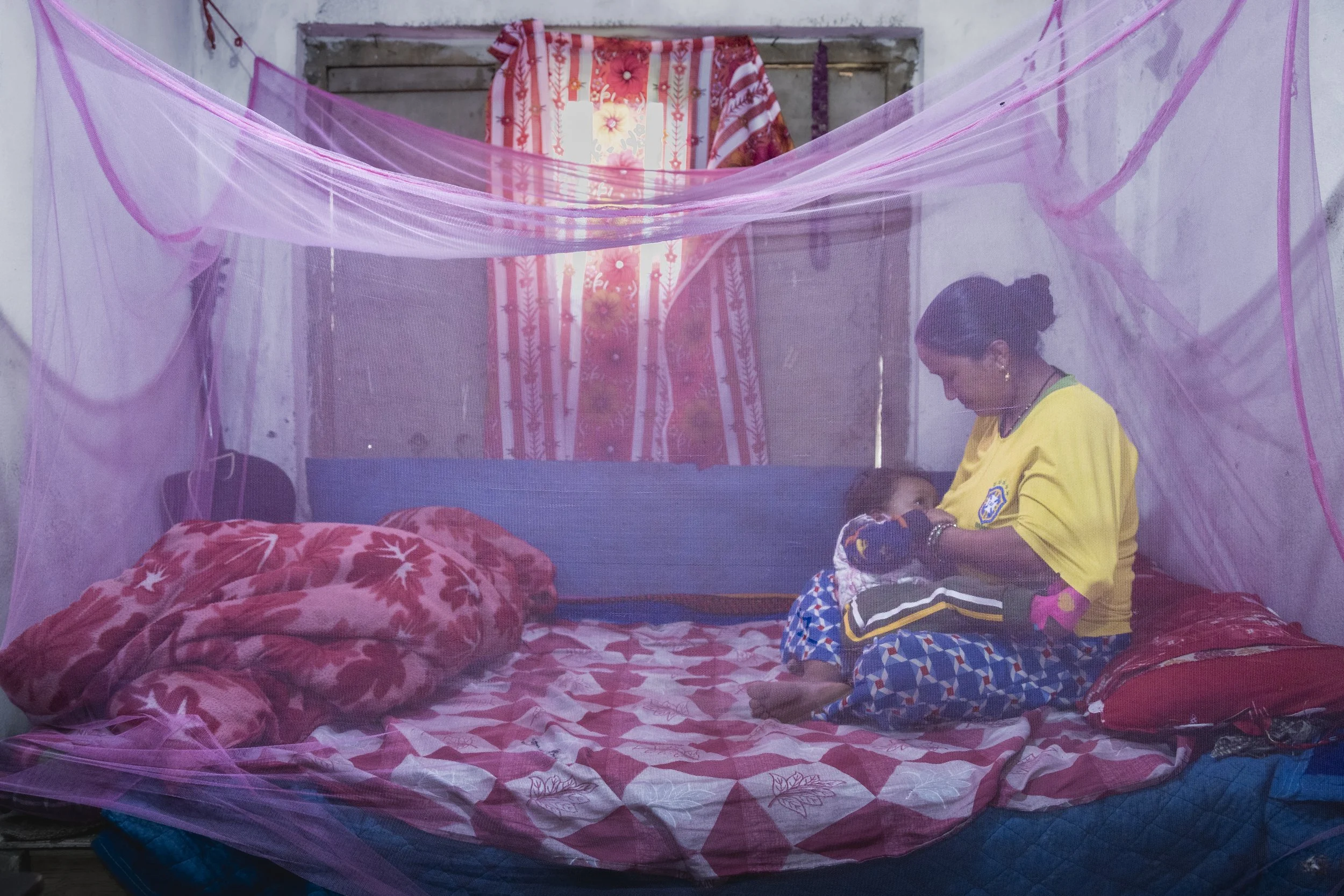
Photo by Yuri Segalerba: Devi Kannya Katayata (33) breastfeeds her son Nehan Budha (2) under a mosquito net in their home in Chandannath, Jumla, Nepal, 2,438 m. The family only began using mosquito nets in recent years.
Until recently, Aedes mosquitoes had only been detected up to 2,100 meters. Over the past two years, dengue has spread across almost the entire country, affecting 76 of Nepal's 77 districts in both 2024 and 2025. According to data from the Epidemiology and Disease Control Division, at least 42,647 people were infected between January 2024 and December 2025, and 19 died.
To better understand changes in vector behavior, scientists from the Nepal Health Research Council (NHRC), in collaboration with the Institute of Tropical Medicine in Antwerp, are collecting mosquitoes from the field and analysing them to examine their adaptation to new environments, as well as emerging resistance to insecticides.
“The specimens are carefully observed, photographed, and cataloged, allowing researchers to document patterns of survival, distribution, and resistance. ”
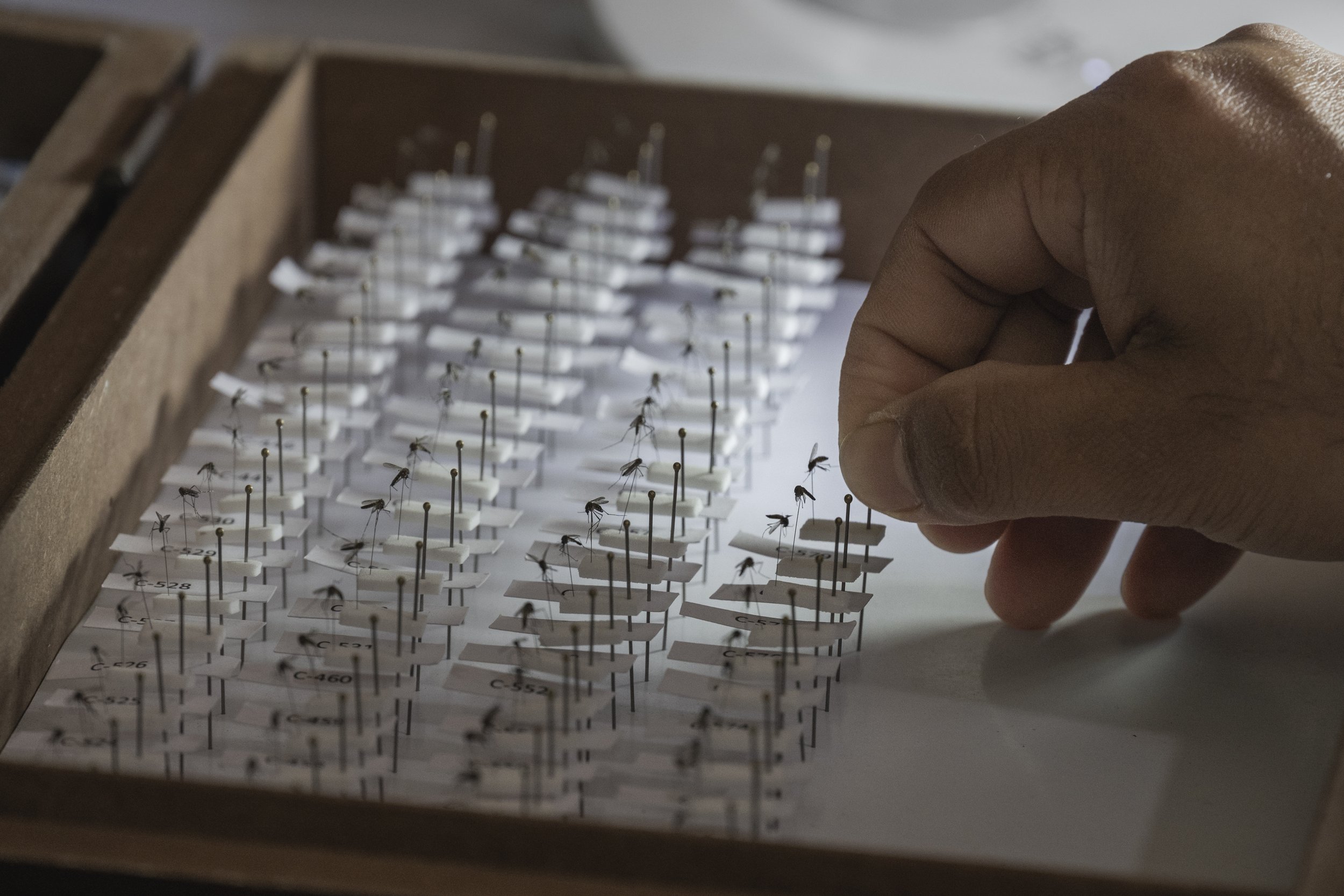
Photo by Yuri Segalerba: Aedes aegypti specimens arranged and coded in an entomological case. Each mosquito is photographed under a microscope and assigned a unique identification code before being placed in a entomological case. The coding links every specimen to its collection data, including location, date, and habitat, allowing researchers to trace samples across morphological and genetic analyses, document chromatic and structural variations, and monitor patterns of insecticide resistance over time. Systematic cataloging supports long-term surveillance of vector populations and helps track changes in distribution and adaptation to evolving environmental conditions.
Experts attribute the expansion of dengue into Nepal’s mountainous regions primarily to global warming, which creates more favorable conditions for mosquito survival and reproduction, even in areas once considered at low or no risk. Increased mobility and improved road infrastructure have also contributed, facilitating the circulation of the virus across the country.
As a result, dengue is reaching Himalayan communities where healthcare facilities may have limited resources compared to emerging needs.
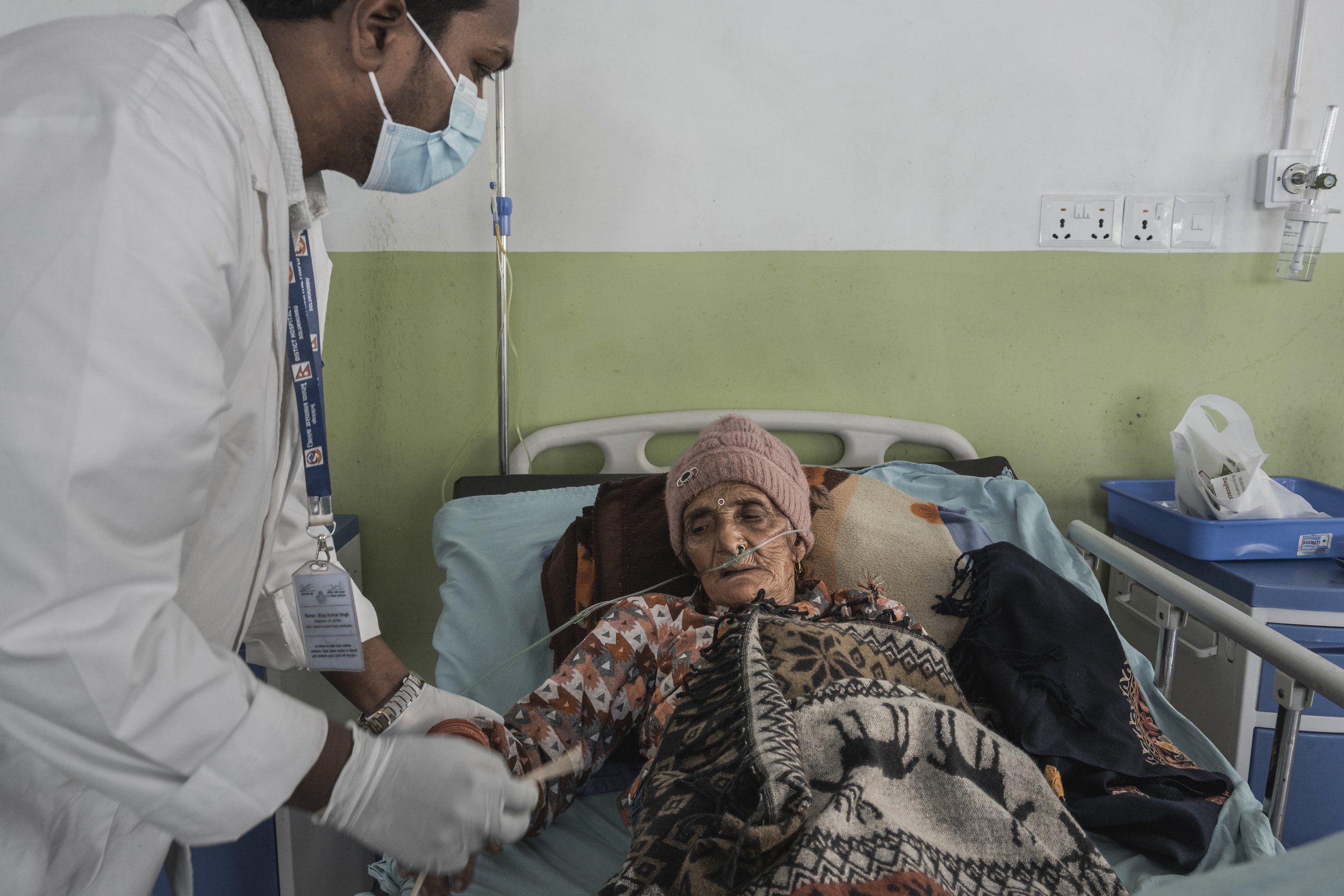
Photo by Yuri Segalerba: At Solukhumbu District Hospital, Dr Bijay Singh Kushwaha collects a blood sample from a patient with suspected dengue for a rapid diagnostic test. The doctor examines Nara Maya Khatri (87), who arrived to the hospital with symptoms including bone pain and fever, raising suspicion of dengue infection. In recent years, such cases have become more familiar in the region, and the hospital is increasingly accustomed to managing them.
In these remote and hard-to-access areas, many residents continue to rely on traditional Tibetan medicine, known as Sowa Rigpa, practiced by Amchi, traditional healers who enjoy strong cultural trust and have long served as key healthcare providers within local communities. Practiced across the Himalayan region and influenced by Indian Ayurveda and Buddhist philosophy, Sowa Rigpa combines clinical observation, herbal remedies, and a holistic view of health, in which body, mind, environment, and spiritual dimensions are deeply interconnected.
The situation represents a growing public health challenge. To curb the spread of dengue, Nepalese authorities are implementing prevention and awareness strategies, promoting the use of repellents and mosquito nets, proper household environmental management, and community campaigns to eliminate stagnant water and strengthen vector surveillance. The goal is to improve communities’ ability to respond promptly to emerging health threats in a territory increasingly exposed to the impacts of climate change.
To date, prevention and vector management remain the primary strategies available to combat dengue.
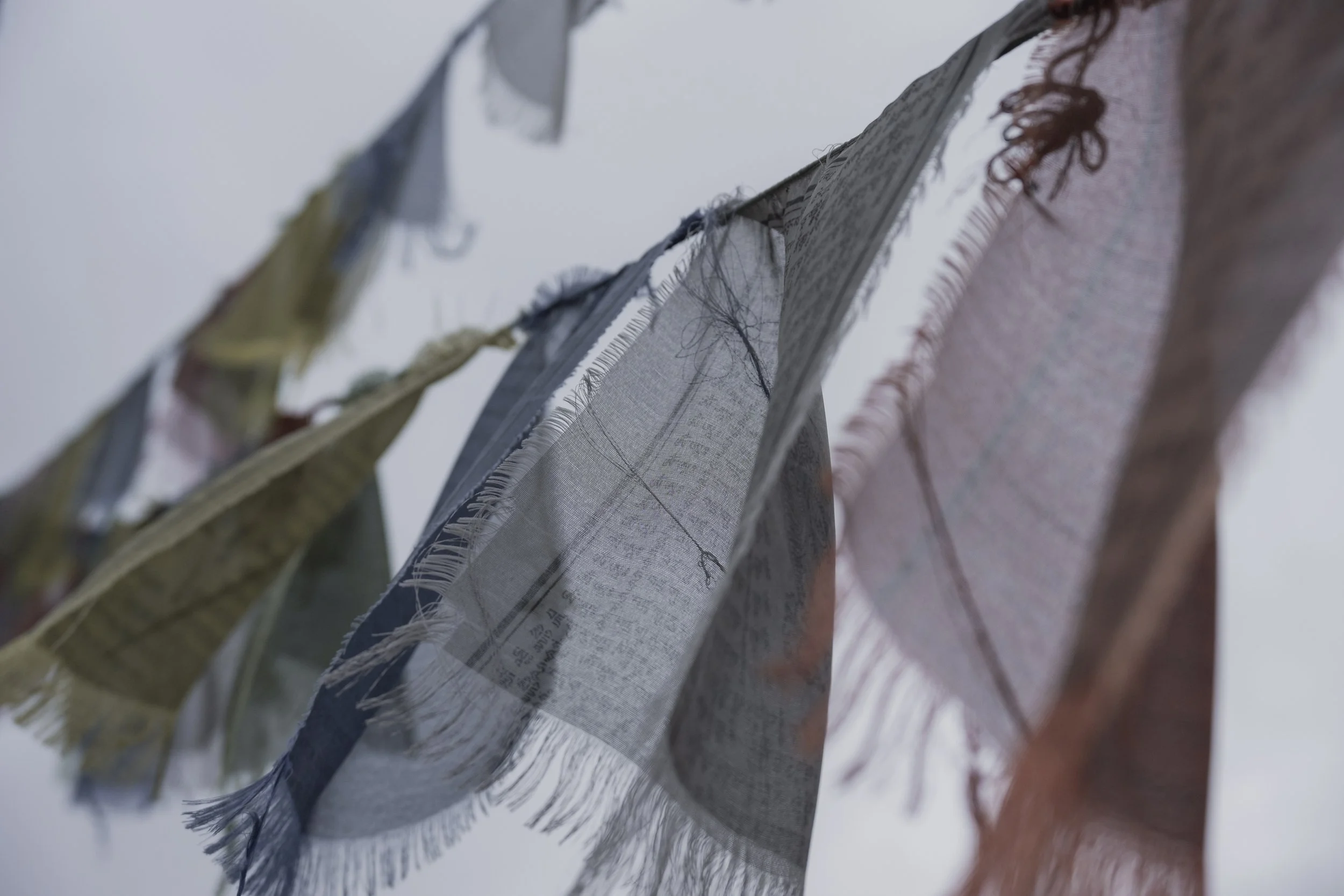
Photo by Yuri Segalerba: Lung-ta (Wind Horses) prayer flags flutter across the Himalayan sky.
An Interview with Yuri Segalerba
Could you start by telling us a little about yourself? How did you find your way into visual storytelling, and what kinds of stories do you feel drawn to document?
I grew up in Genoa, Italy, in a family that traveled often, so being on the move has always felt natural to me. When I started traveling on my own, I became interested in going beyond familiar routes to better understand the realities I was encountering. Photography became the tool that allowed me to do that. It gave me access to situations I wouldn’t have reached otherwise, and pushed me to seek out more hidden and overlooked realities.
The more I traveled, the more I realised that what mattered the most to me was people, the texture of their lives, and the weight of the conditions they were born into or navigating.Through encounters, I see how global processes, including human rights violations, health crises, climate change, and structural inequality, are part of everyday life. I began to see photography as more than a way to document; it could create a relationship between myself and those I photograph, and between them and those who look at the images.
I'm drawn to stories beyond dominant narratives, where the real costs and contradictions of our collective choices are most visible. There I meet people whose voices might otherwise go untold, and I try to give them the space and respect they deserve.
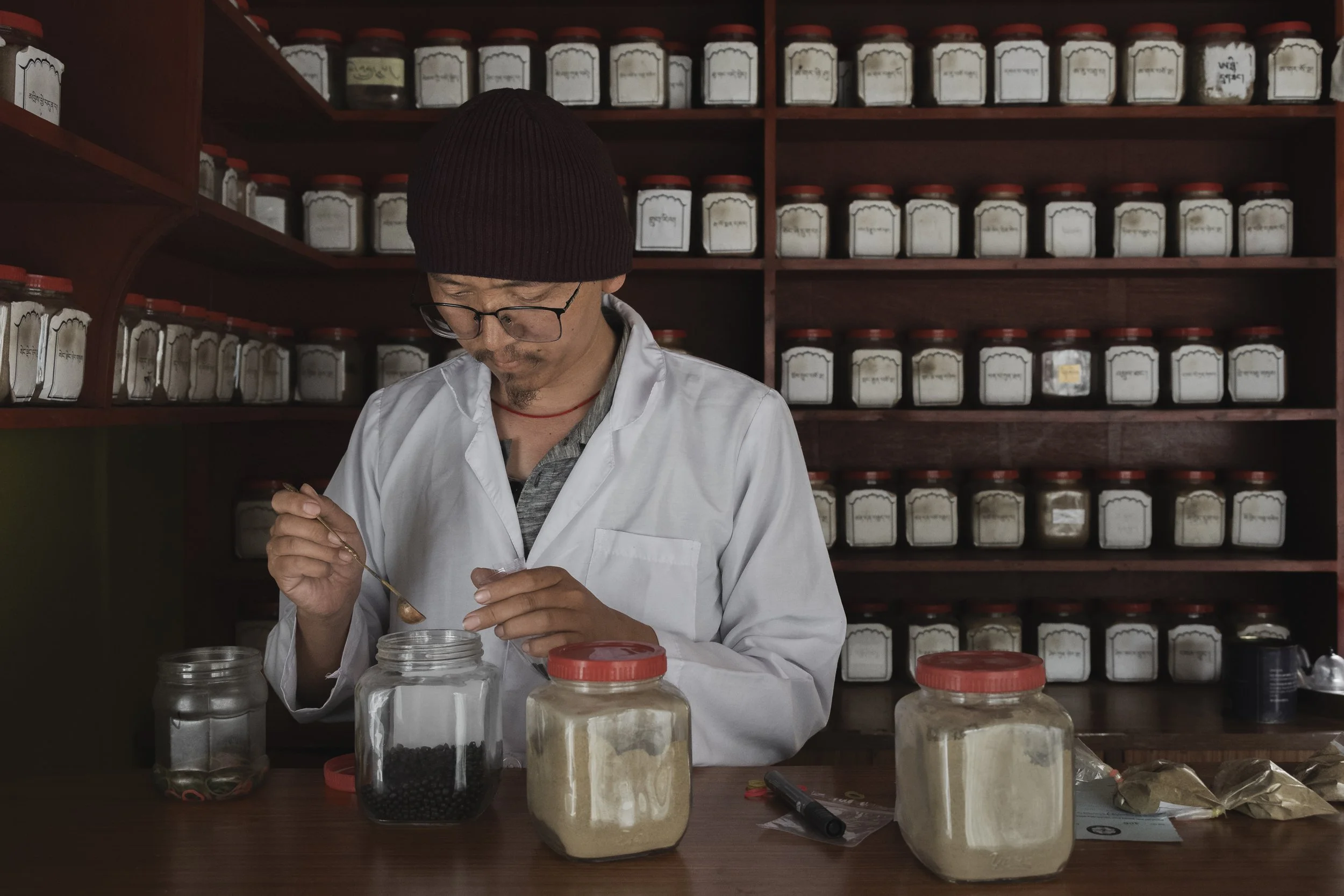
Photo by Yuri Segalerba: Amchi Khedup Loden Gurung packs Sowa Rigpa medicines in a clinic in Jomsom, Mustang.
How did you first come across the story of dengue fever reaching the Himalayan districts of Nepal? What made you feel it was a story that needed a photographer on the ground?
I usually work in Latin America, a region I know quite well and feel deeply connected to, also on a cultural level. This project, however, did not begin with a place, but with a question: what happens when an alien disease encounters a local system of knowledge that does not define it, and understands the body and health differently?
It is part of a broader inquiry into how traditional knowledge responds to external pressures, whether sanitary, climatic, or cultural. While researching the spread of dengue at high altitudes in the Peruvian Andes, I met Yolden Kwan, a research associate at Freie Universität Berlin, who had previously studied Sowa Rigpa in the context of climate change in Nepal when he was a graduate student at Heidelberg University, and introduced me to what was happening there.
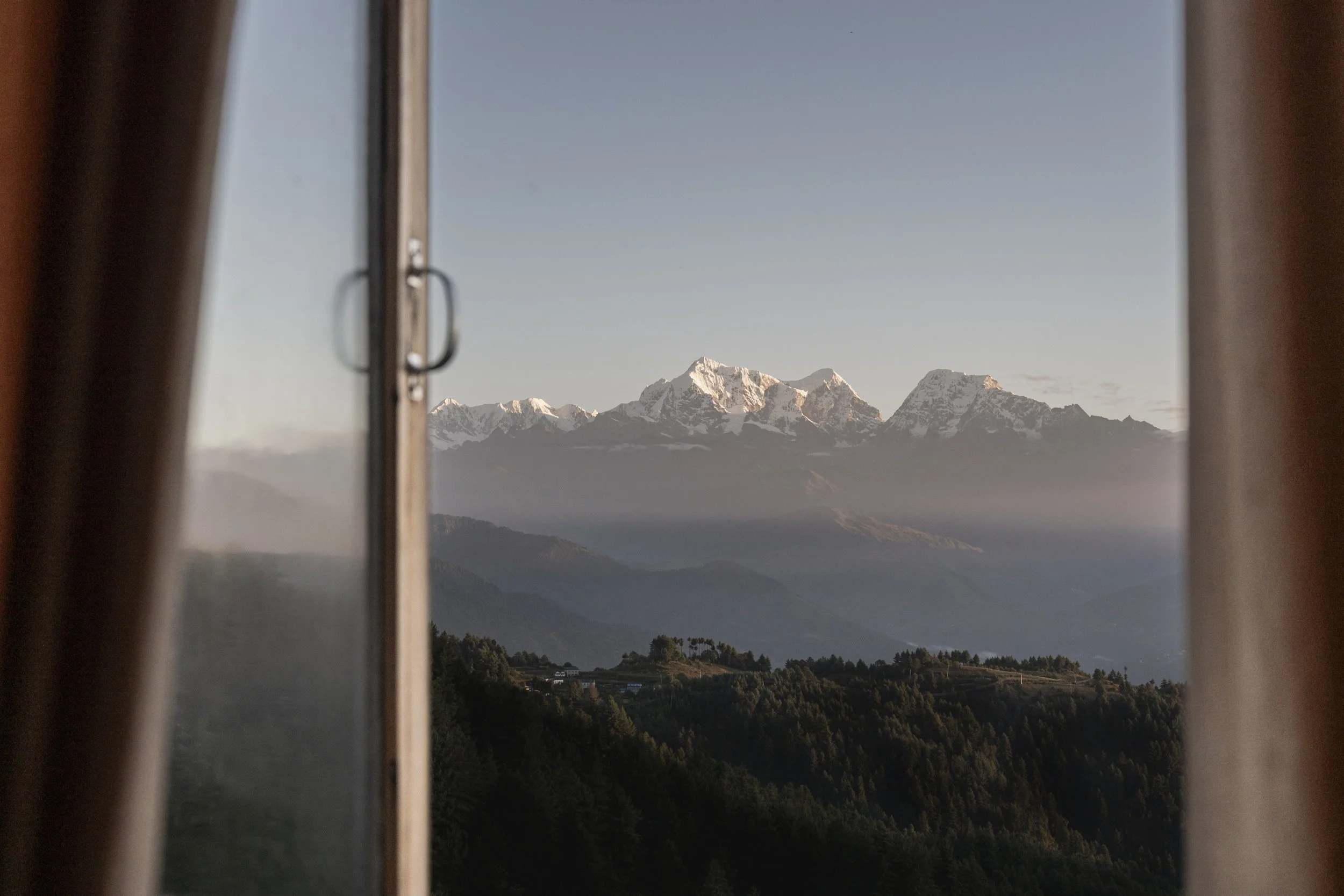
Photo by Yuri Segalerba: A view of the Rolwaling Himal, Solukhumbu District, the Himalayas, Nepal.
Nepal became the clearest answer to my burning question: on one side, a structured scientific system; on the other, a millennia-old medical tradition with its own understanding of illness, and in between, an emerging health crisis interpreted differently by each other.
My work often brings me to remote regions where access to healthcare is limited and traditional medicine remains central. The spread of dengue into the Nepalese mountains drew my attention because it reflects two themes I have been following closely: the tangible impact of climate change on isolated communities, and the role of local systems of care when formal healthcare is limited.
Dengue reaching elevations above 2,400 meters is a clear signal that climate change is reshaping the boundaries of disease. Communities once considered protected suddenly find themselves exposed to risks for which they have no prior experience or adequate infrastructure.
What is happening in the Himalayas today is a concrete sign of a broader transformation in global health, not only in remote regions, but also in Europe and the southern United States.
The presence of a photographer on the ground makes the human dimensions of this story visible. It creates an emotional connection between distant lives so that it is not only understood but felt. It shows what data alone cannot capture: adaptation, everyday negotiations, resilience, and the tangible ways in which a global process takes shape in the lives of real people.
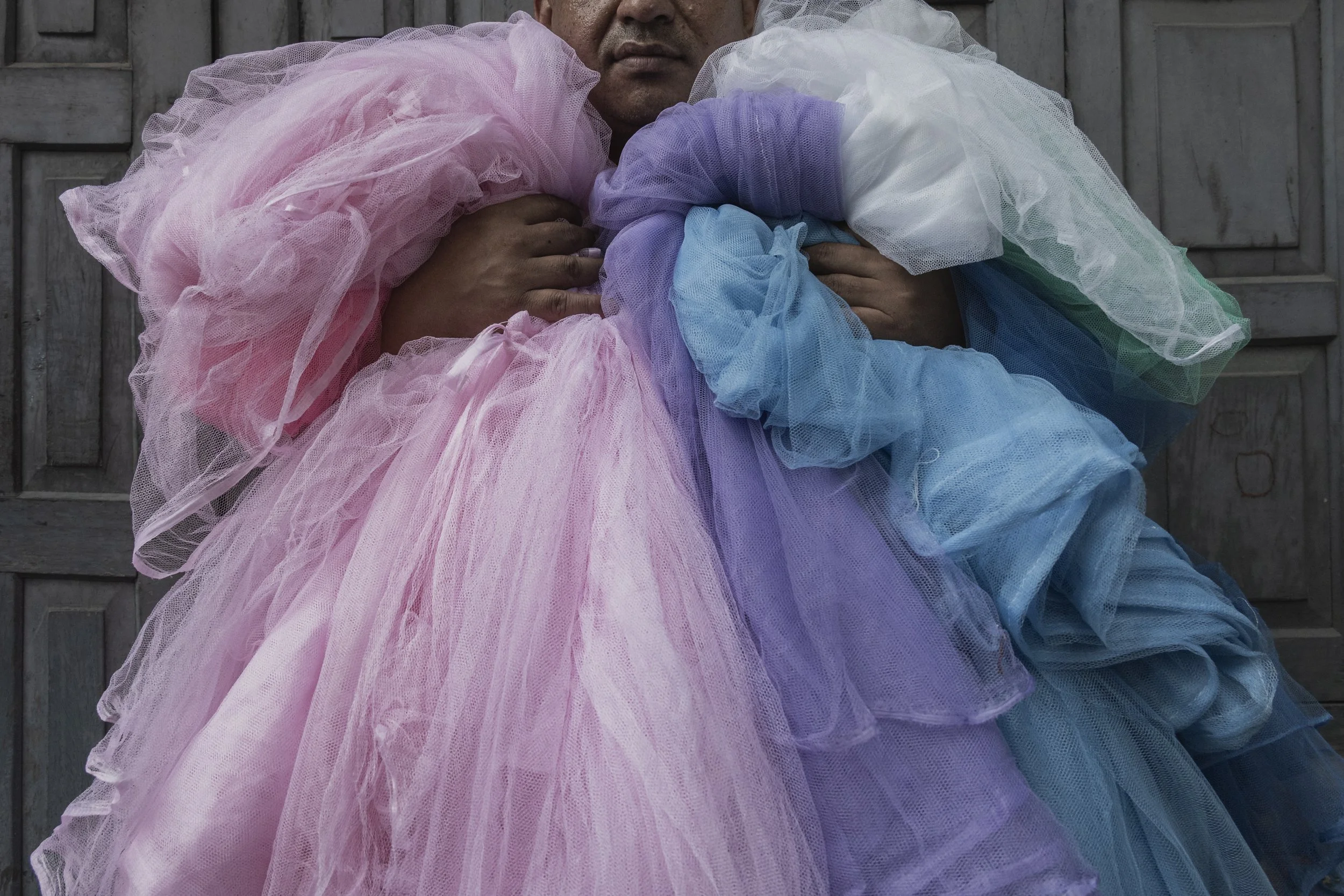
Photo by Yuri Segalerba: A vendor sells mosquito nets at the local market.
When you photograph people experiencing such profound challenges, how do you build trust and an ethical connection with them? How much time did you spend in the communities, and how does being present shape the images you are able to make? I ask this especially to highlight the often unseen work photographers do as human witnesses.
Trust is not something you can rush. Whenever possible, I start a dialogue with people before meeting them, reaching out over time through phone calls or messages, starting to get to know them.
When we meet in person, I spend time with them and often meet more than once before taking out the camera. Usually, I come to someone because they are going through a specific situation, and that is what brought me there. But it is essential for me not to reduce anyone to the story they are living through. I relate to each person first as an individual, not as the subject of a narrative.
When I introduce the camera, I am always very clear with the people I am photographing about how I work and what I intend to do with the images and the story. I explain the project, ask for consent, and make it clear that they can, at any moment, for any reason or no reason at all, ask me to stop.
After each session, I show what I have made. It shifts the dynamic and turns the process into something shared, rather than something simply taken. The clearest sign that trust has been built is when people stop paying attention to the camera.
Many of the people I meet remain part of my life. We stay in touch over the years, sometimes friendships grow, and sometimes I go back to visit. That continuity, for me, is an integral part of the work.
For this project, I spent three months on the ground in Nepal, and I do not exclude returning: it is a body of work that is built and deepens over time.
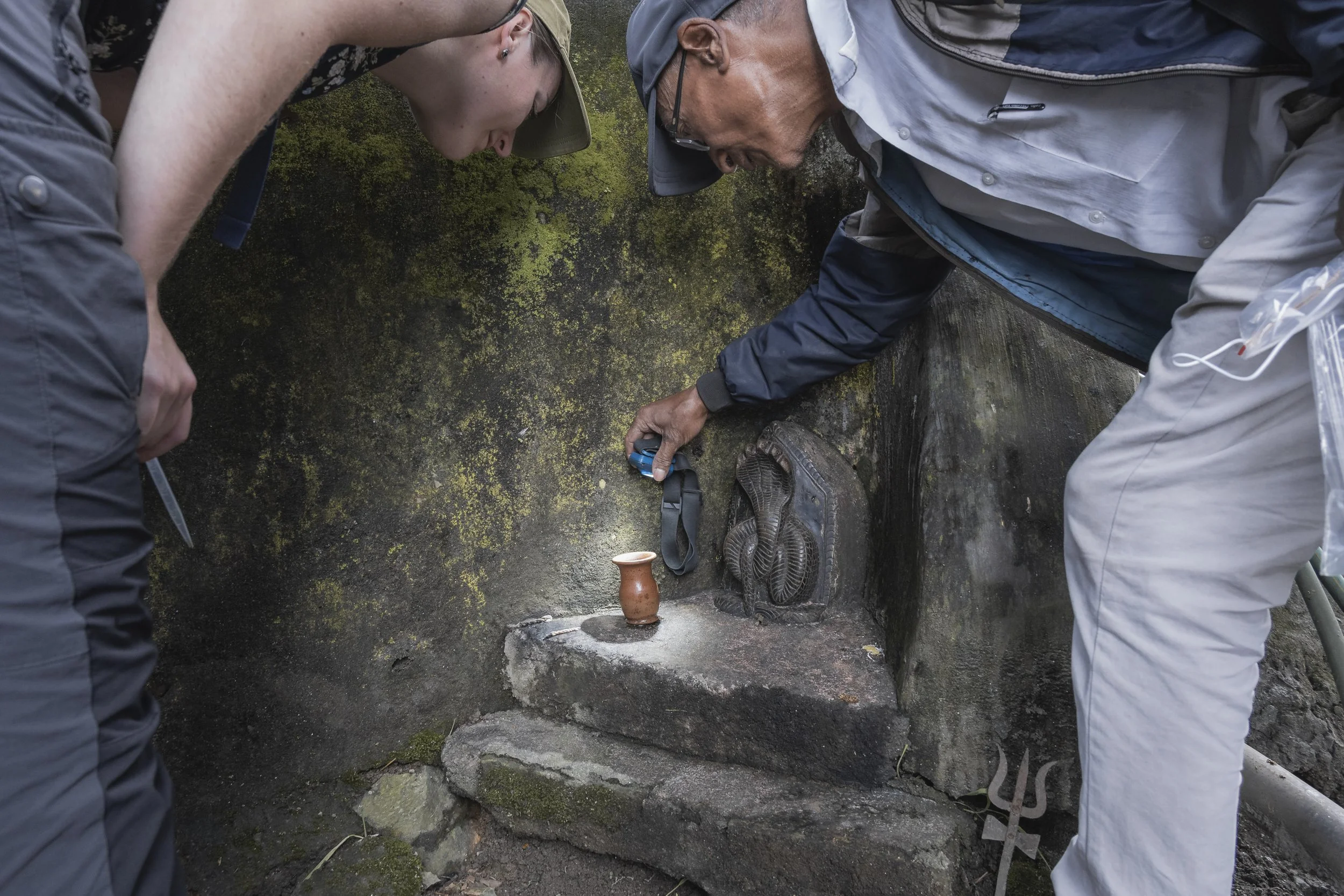
Photo by Yuri Segalerba: Researchers A. Vanslembrouck of the Institute of Tropical Medicine in Antwerp and P. Shrestha of the NHRC, together with other field team members from both institutions, inspect standing water and collect larvae and adults for laboratory analysis.
Many documentary photographers work far from home. As an Italian living in Berlin, how does your context shape the stories you choose to pursue? Did living abroad help you approach a story like dengue fever in Nepal, or did it present challenges as an outsider?
I never felt particularly tied to the place where I grew up. The world I belonged to always seemed larger than any single place. Distance was never a limit but an inspiration. If what I was looking for was further away, I simply went further away, and when I arrived, I felt comfortable.
That is how I came to Berlin and decided to stay. It is the home I chose, though not one that feels completely like home. In a city shaped by people from elsewhere, not quite belonging feels shared. I still return to Genoa often.
When I am working as a photojournalist, the question of being an outsider is something I think about carefully, because it is never neutral. It depends entirely on the context. The obstacles are real: language is the most persistent one. Working through translation, or without it, creates distances that are hard to close. Adapting to an unfamiliar environment while under the pressure of work also has a cost. There are often significant cultural differences. In those moments, the most sensible thing is to slow down: observe more, ask questions, and remember that I am a guest. But there is another side. Being visibly external to a situation can work in unexpected ways.
“I am often received with warmth and hospitality because I am not perceived as a threat or as someone with stakes in the outcome. That openness can create access that would otherwise be harder to build.”
What I have learned is that the outsider position is not something to resolve, but something to remain honest about. The goal is never to pretend to belong, but to be present with enough care and time that the distance becomes something shared rather than something that separates.
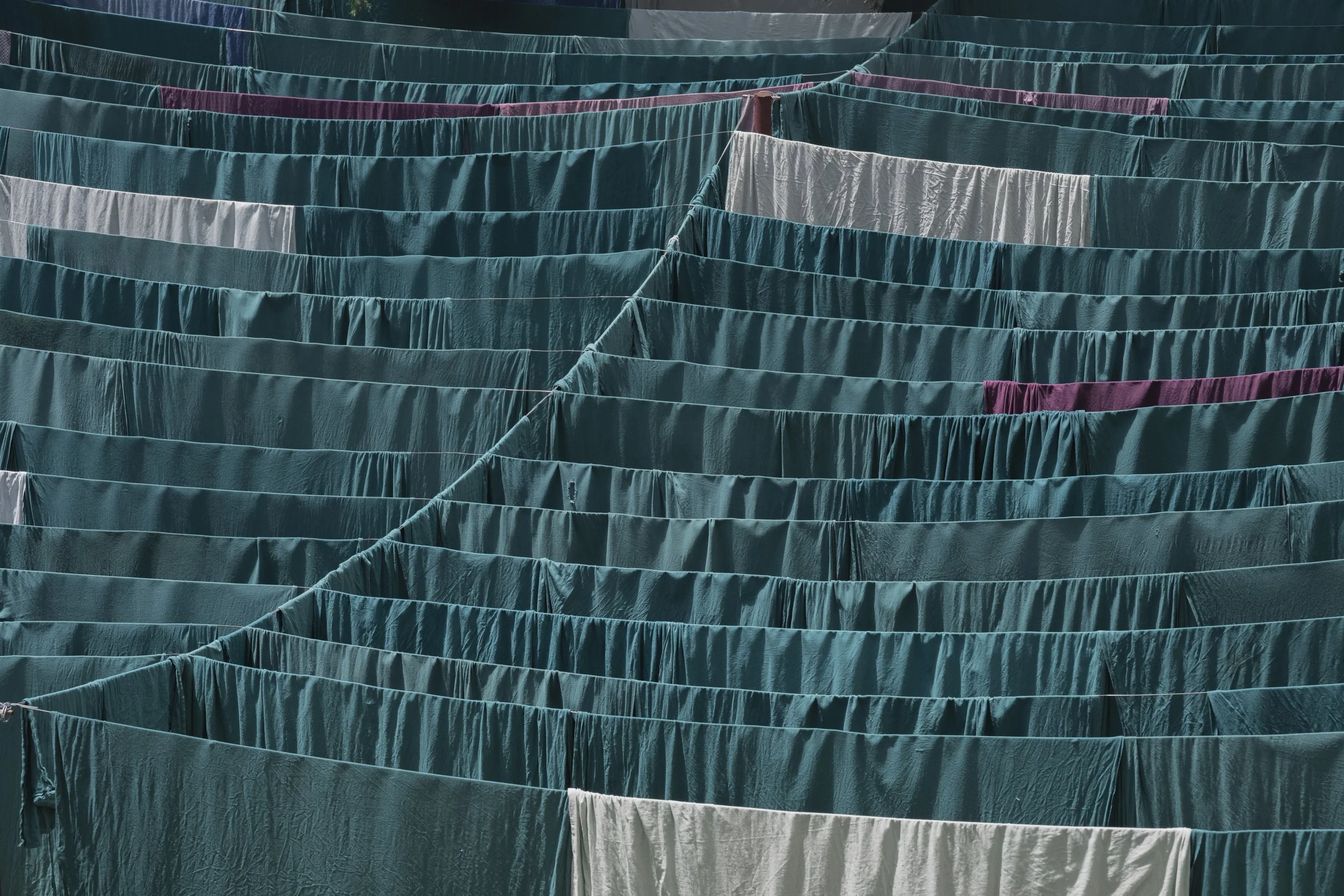
Photo by Yuri Segalerba: Sheets drying in the sun in the courtyard of Pokhara Hospital.
What responsibilities do you feel toward the people you photograph and the audiences who will see your images? How do you think documentary photography builds trust in a world where images can be easily questioned or manipulated?
My responsibility toward the people I photograph does not end when I go home. They have given me their trust, and what I feel I owe them in return is to represent the way they already carry themselves in the world: to show their strength and complexity, without reducing them to the hardship they are going through.
Toward those who look at the images, I feel a responsibility to bring awareness of what is happening in places that rarely enter public debate. People are often unaware, not out of indifference, but because that distance is real. My intention is to use images to create a first step toward a more conscious understanding of the world we share.
On the question of manipulation and trust, I believe the answer lies in context more than in the image itself. In an era of artificial intelligence and deep fakes, a single image rarely tells the whole story. What matters is the credibility of who takes the picture and who publishes it, the verification process, and the evidence behind the events being documented. Building that credibility over time, and maintaining it, is an integral part of the work itself.
Thank you Yuri, for sharing your work with the NOOR community. We hope your story on dengue fever in the Himalayas will inspire others to reflect, engage, and continue learning about the changing realities of our climate.
Discover more of Yuri Segalerba’s work on his website and Instagram.
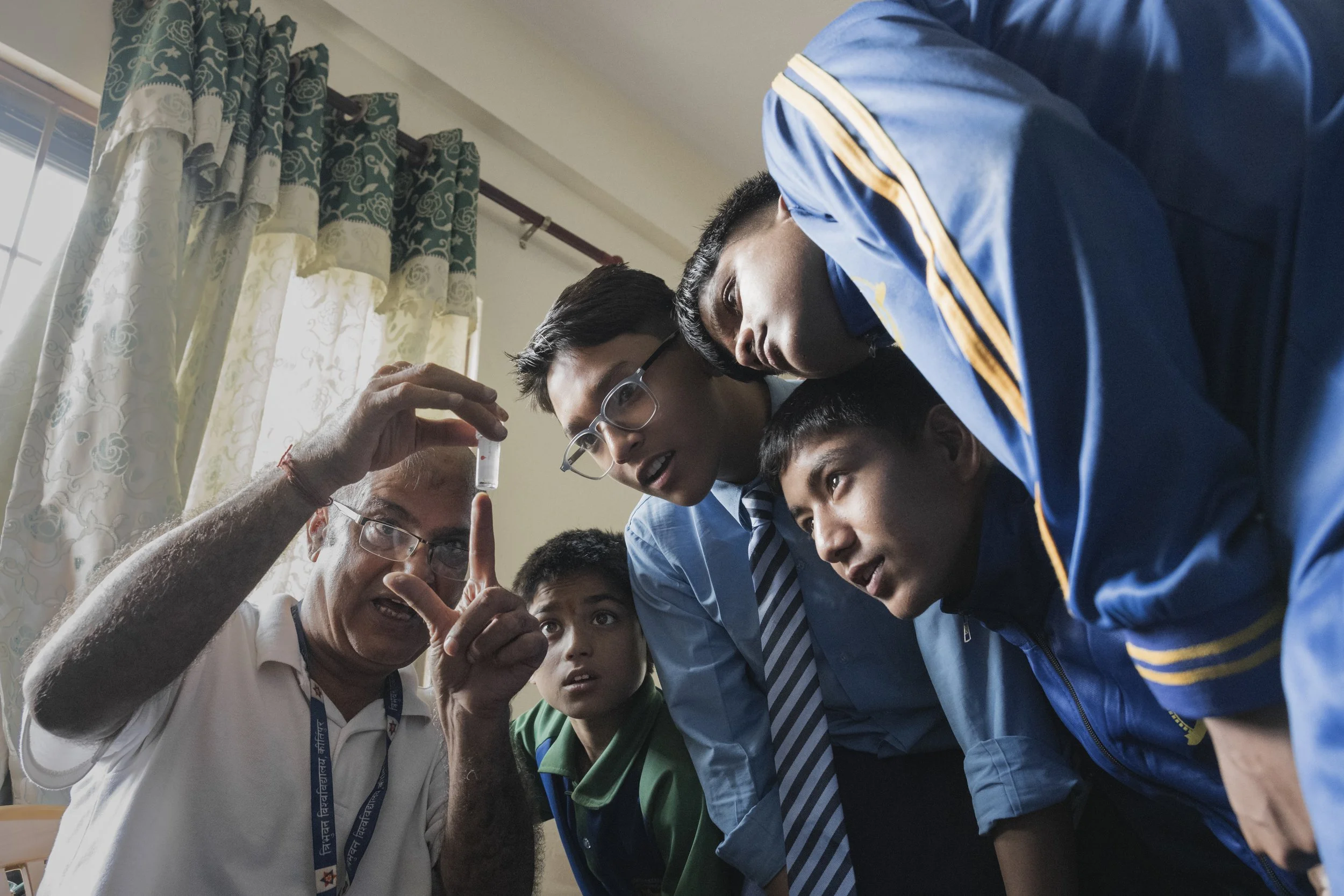
Photo by Yuri Segalerba: Dr. Ishan Gautam shows Aedes larvae to students at Geetamata Secondary School during an awareness campaign.
Image in the header:
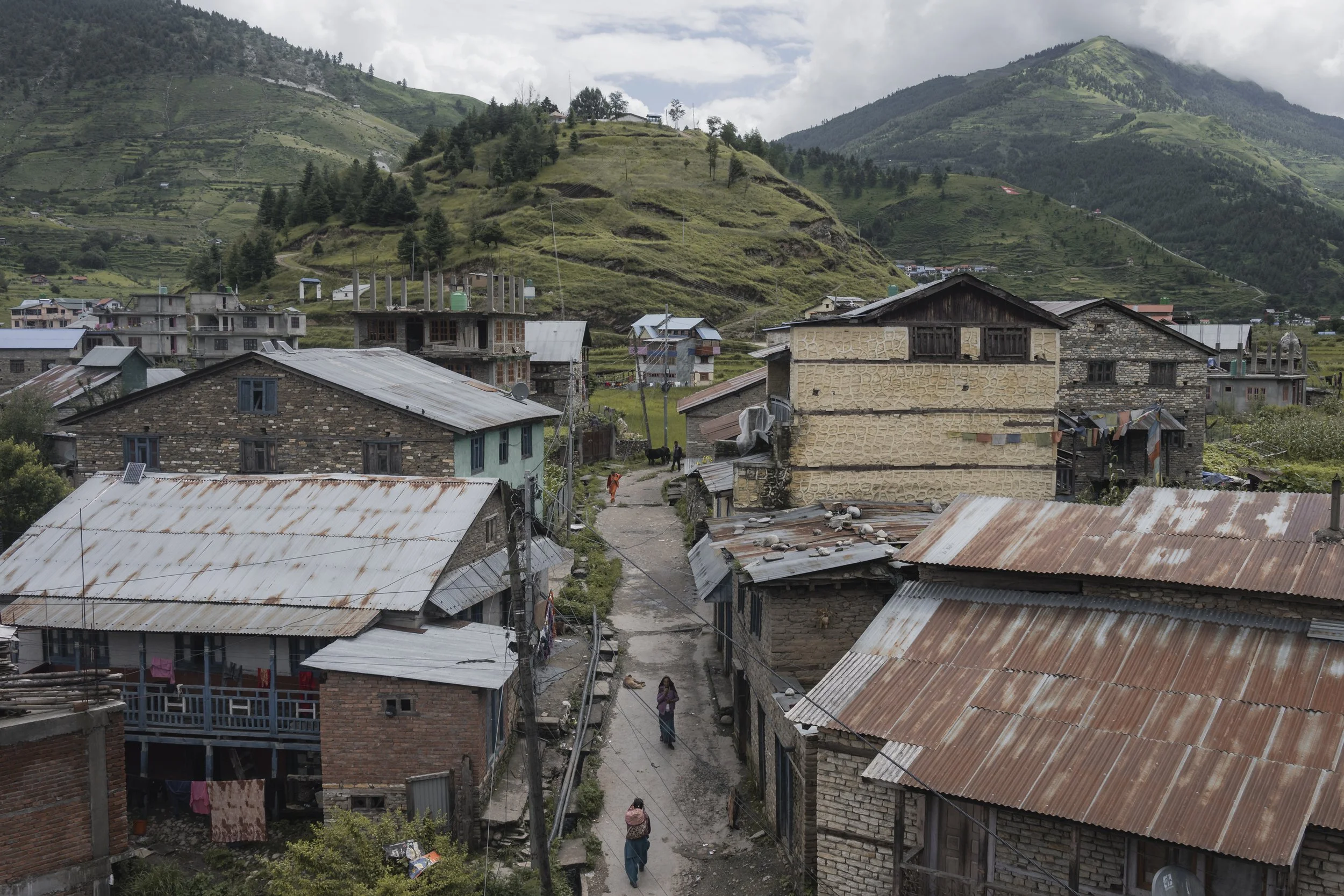
Photo by Yuri Segalerba, Chandannath, 2,438 m, Nepal’s highest town where Aedes mosquitoes have been detected.
“Visual storytellers play a vital role in bringing important stories to light and deepening our understanding of the world around us. At NOOR, we are committed to sharing work that highlights the impacts of the climate crisis. “The Ascent of Temperatures” by Yuri Segalerba resonated with us, and we are proud to share his work with a wider audience.”
The first DISPATCH featured an interview with Syrian photojournalist Hasan Belal.
Do you like DISPATCHES by NOOR and want to see more? Support the NOOR Foundation with a donation. By supporting us, you contribute to the creation of educational programmes that empower storytellers to amplify urgent narratives often overlooked in mainstream media. Your support is crucial in enabling us to continue teaching and inspiring future generations of visual storytellers. Together, we can make a difference by creating deep, lasting connections and driving meaningful change through storytelling.