Exhibition: Shared Horizons: Stories from Combi-tracks — The Hague Edition

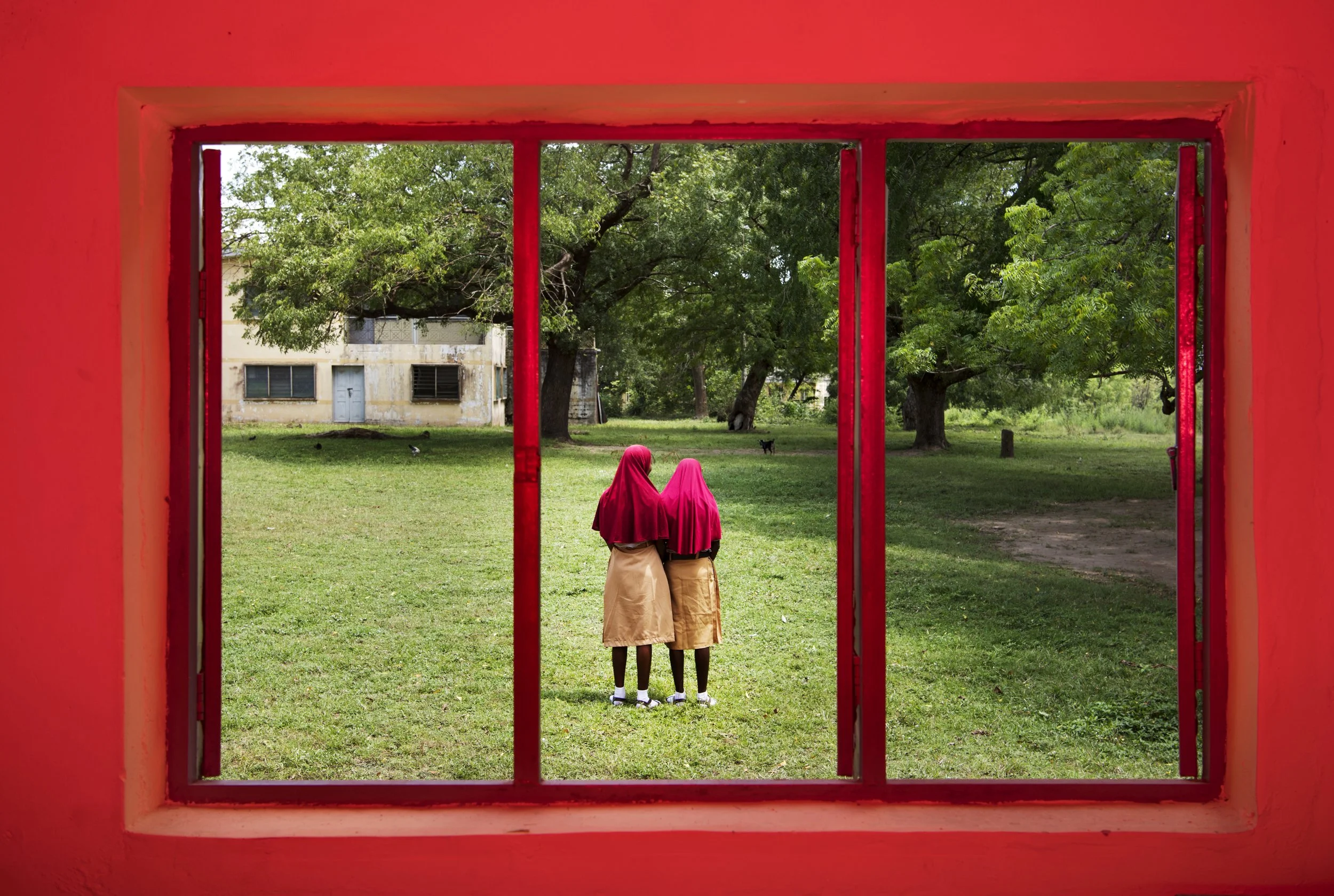
Shared Horizons: Stories from Combi-tracks is an exhibition presenting three inspiring photographic stories from Côte d’Ivoire, Vietnam, and South Africa, on view at the Atrium City Hall in The Hague from 6 to 19 June 2026. These stories are part of the Combi-Tracks, a Dutch programme that connects entrepreneurship with long-term social and environmental impact, offering solutions to local challenges that create shared benefits for all partners involved.

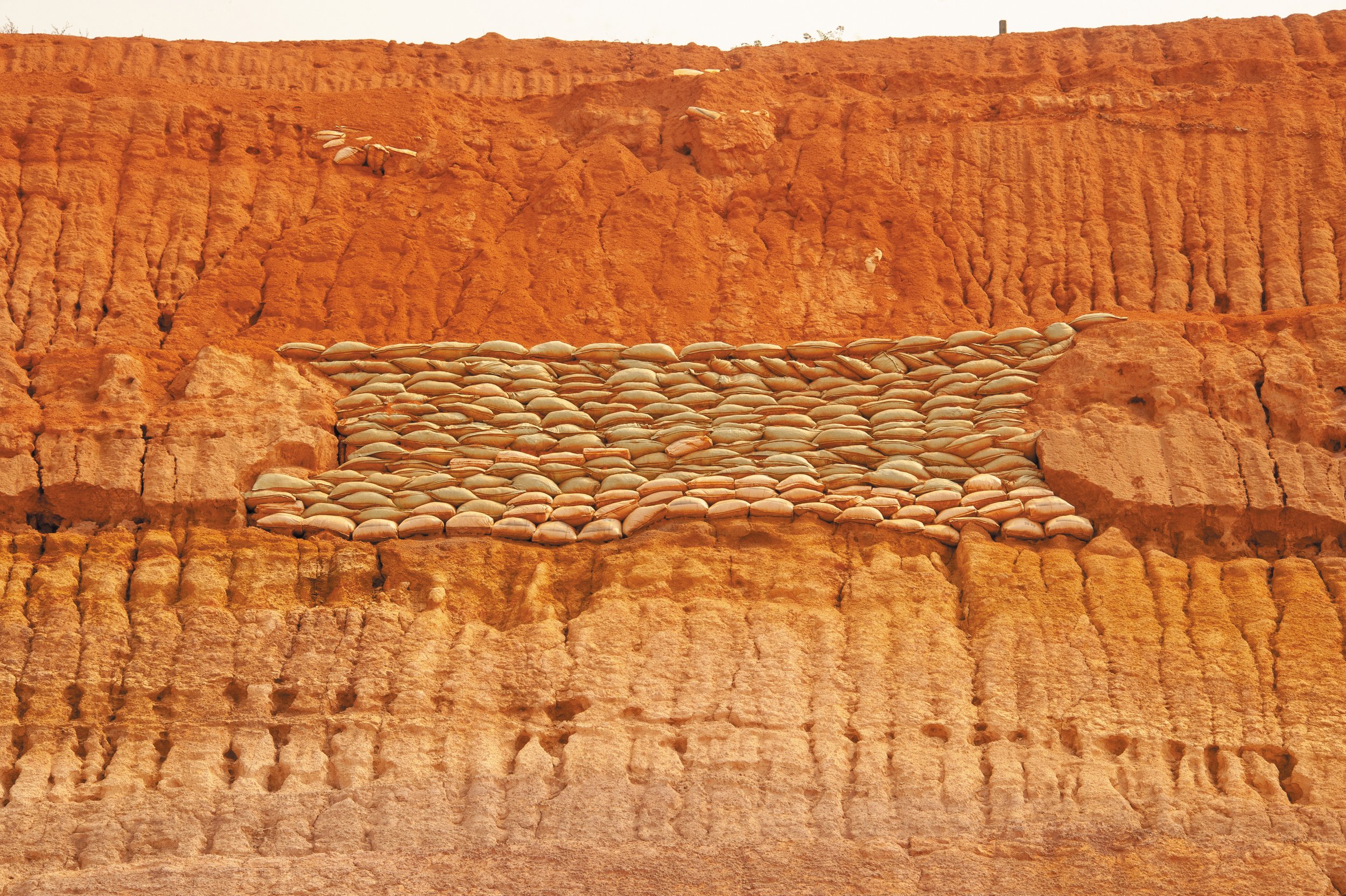
In Côte d’Ivoire, photographer Olivier Khouadiani documents strong efforts in local cocoa processing that ensure more value stays where the beans are harvested instead of being exported raw.

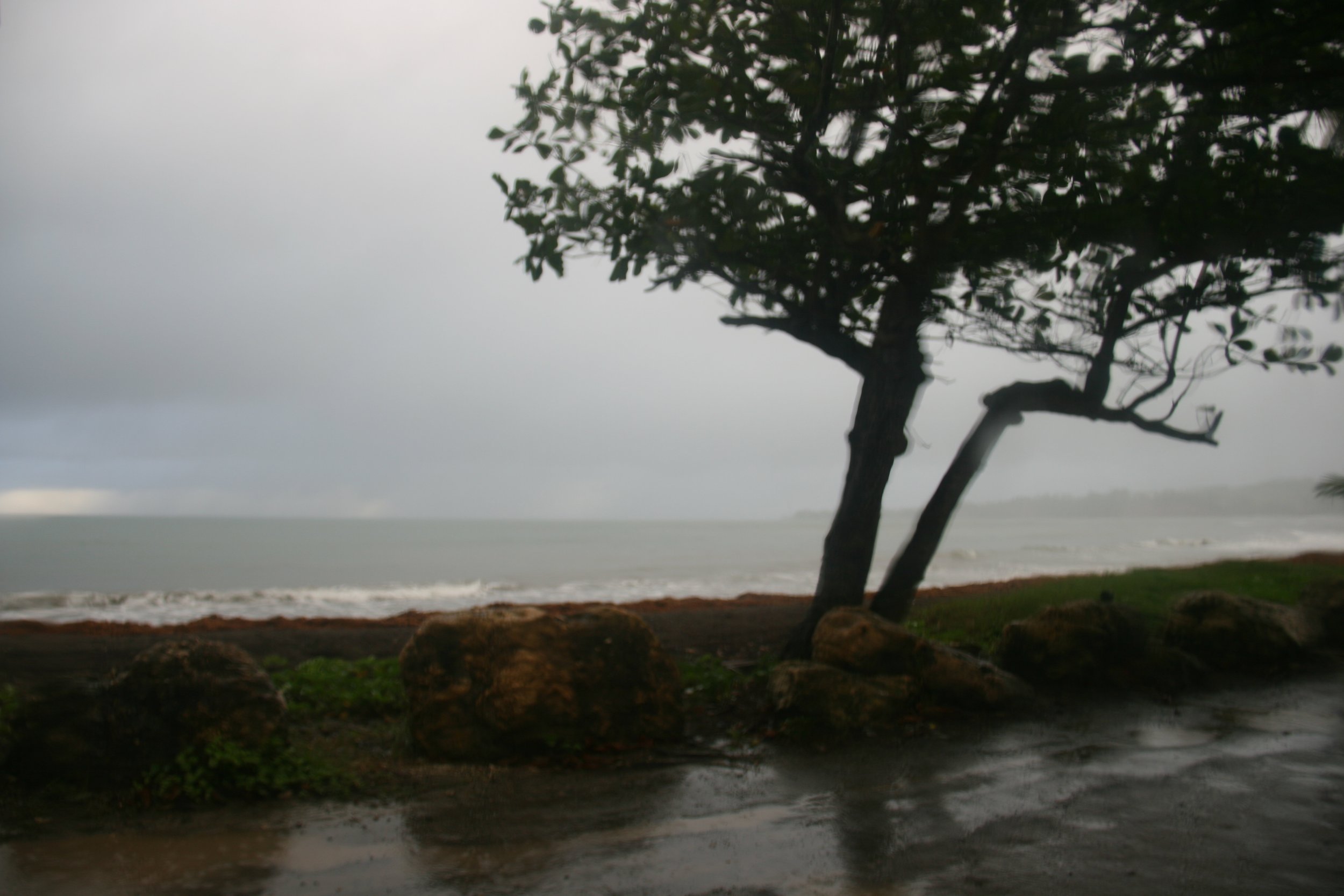
In Vietnam’s Mekong Delta, photographer Thanh Hue shows farmers adopting sustainable aquaculture practices that balance urgent environmental concerns with the economic realities of their livelihoods.

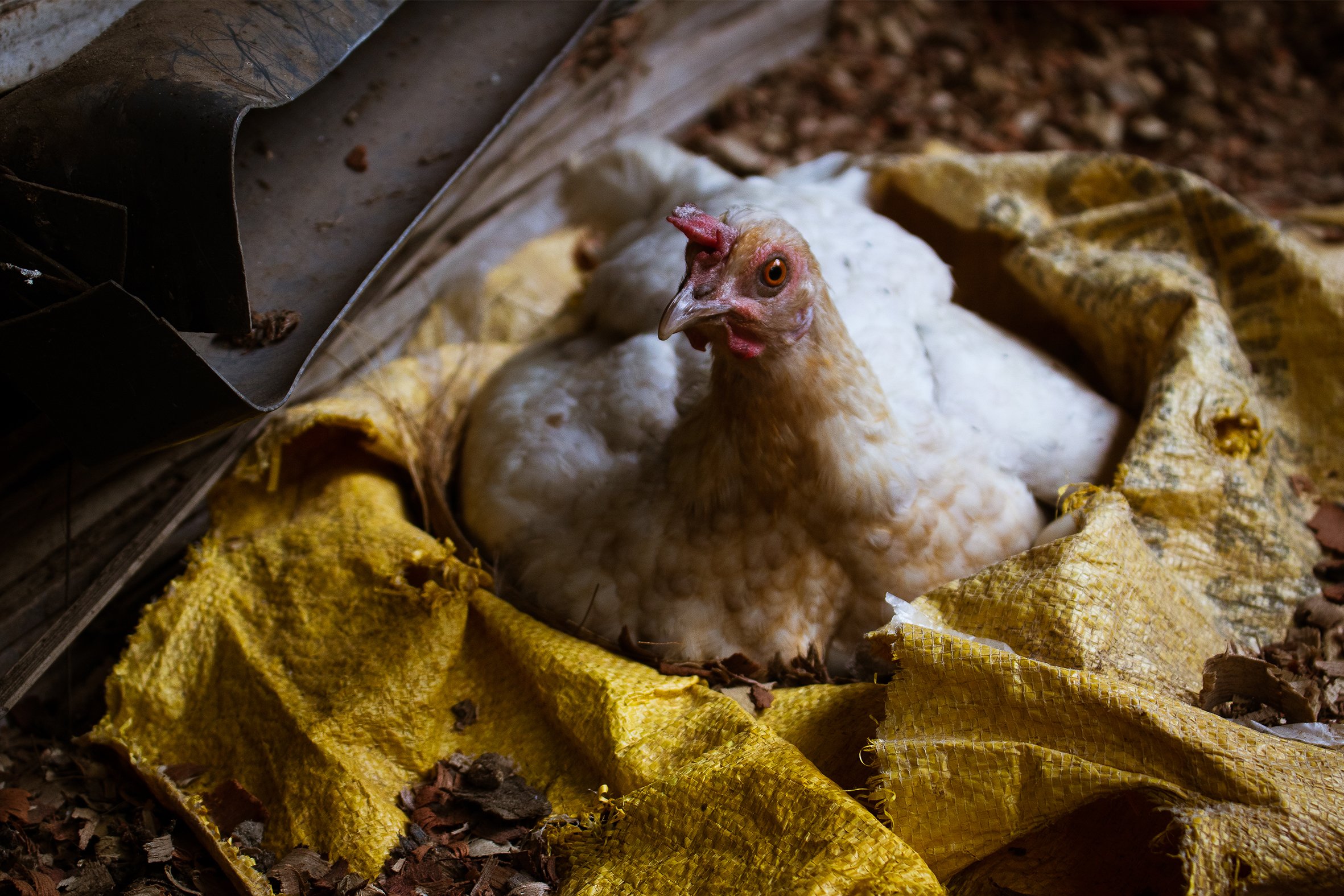
Further south, in Grootvlei, South Africa, photographer Gulshan Khan follows a former coal-fired power plant site undergoing a remarkable transformation into a centre for climate-smart horticulture.

Exhibition ‘Shared Horizons’ at The Hague, 2026.

Combi-tracks are collaborations between governments, businesses, knowledge institutions, and civil society across the Netherlands and 14 partner countries with emerging markets. They are designed to meet local needs and focus on specific sectors. With Dutch expertise supporting every step, these partnerships build resilience, encourage innovation, and develop greener economies that serve both locally and internationally.

This exhibition invites you to see how entrepreneurial spirit, community involvement, and sustainable innovation come together to build futures that are fair and lasting for people and the planet.

This exhibition was first shown at the Embassy of the Kingdom of the Netherlands in Pretoria, South Africa, November 2025, and we are delighted to see it in Den Haag.

Credits:
This exhibition was commissioned by the Dutch Ministry of Foreign Affairs and produced by the Netherlands Enterprise Agency (RVO).
The exhibition was realised by NOOR Images.
Photographs by Olivier Khouadiani, Thanh Hue and Gulshan Khan.
Text and exhibition design by Betül Ellialtıoğlu.

Dispatches by NOOR: An Interview with Hasan Belal

Dispatches by NOOR is a series of photoessays and interviews, dedicated to the community of storytellers within and around us.
— NOOR

In an era of fleeting visuals, NOOR recognises the need for deep, lasting connections that produce narratives extending beyond instant gratification. With this in mind, we are excited to introduce DISPATCHES by NOOR, a new concept and the first of its kind, designed for learning, exchanging ideas, sparking discussions, and promoting educational solidarity in visual storytelling.

DISPATCHES aims to inspire like-minded creatives to learn from each other, fueling inclusive conversations on key contemporary issues, and amplifying each other's voices through the personal experiences of visual storytellers. We believe it is crucial to highlight not only the stories themselves but also what drives the narrators to focus on their projects, their personal journeys, creative processes, and outcomes.


Explore the world of today’s storytellers and uncover valuable insights and behind-the-scenes stories with NOOR.

In our first edition, we interviewed Syrian photojournalist Hasan Belal.


Witnessing Syria with Hasan Belal

Through his lens, Hasan Belal documents the everyday resilience and quiet strength of Syrians amidst the shadows of conflict. In this interview, he reflects on his journey into photojournalism, the stories that move him, and the power of bearing witness.

A Syrian woman and three kids in front of a self made tent

Photo by Hasan Belal, Daraa, Southern Syria, 16 December 2021: Rana and her family in front of their tent, living in difficult conditions during the winter. They were forced to flee after a bomb struck their house.

Thank you for being part of DISPATCHES by NOOR. We would like our community to get to know an aspiring young talent like you. To begin, can you please introduce yourself and tell us when you picked up the camera for the first time?

I am Hasan Belal, a freelance photojournalist and documentary photographer from Syria, originally from a coastal city called Tartous. I moved to Damascus in 2017 and graduated from the University of Economics. 

I remember my first encounter with a camera — it was through my cousin's camera, which actually belonged to my mother. He owned a Nikon D2 and I was struck by how heavy it felt in my hands. I would wait for the weekend, when the family would gather, and Uncle Mustafa would hand me the camera so I could take pictures of everyone and capture those moments together. I felt an incredible sense of trust from them. 

They treated the camera as a precious object that needed to be  handled with great care, and it meant so much that they trusted a 15-year-old boy like me to document their memories. Those were the first moments I truly began to interact with the camera. 

Over the years, my interest in photography grew, especially as I began to see  the results of my images. Unfortunately, my family couldn't afford to buy me a camera, so I started asking my aunt  — who lived in Venezuela and visited Syria every summer  — to bring me one. I was fascinated by the Nikon D3100, and wrote her many notes asking for it, but to no avail. 

I waited three years. Each summer, she brought me a different camera. They were all digital and not professional, but they allowed me to practice more and more, gradually building my skills with the semi-professional gear.

A child riding his bike on one wheel, with rubble in the background in Syria.

Photo by Hasan Belal, Aleppo, Syria, 31 January 2025: A boy cycling through the ruins in a destroyed neighbourhood.

Can you share with us your journey into photography and what inspired you to pursue photojournalism in Syria?​ 

Personally, I'm a storyteller. I enjoy sharing stories when I am  with friends, relatives, or even strangers. I started photography as a hobby. I remember bundling pencils together and taking macro photos with my digital camera. At the time, I felt like a world-class artist. I also took close-up shots of backgammon and dice. 

Things changed in early 2012, after the war in Syria began. I started volunteering with a civil society organisation working in humanitarian aid and health promotion. My camera was always with me. After finishing my tasks in the field, I would take photos and write short notes about what I had captured. I also documented gatherings with friends and scenes of daily life on the street. I didn't know what I was doing, but I knew I loved it. I loved connecting with people, even strangers, through my camera.

My work with civil society and international organisations gave me access to places I couldn’t reach before. It allowed me to photograph and document important moments, like the displacement of families from Aleppo and Idlib to coastal cities in 2014 and how they rebuilt their lives within new communities. 

Later, I moved to Damascus and began photographing new places and stories. Over time, I built a meaningful collection of images showing daily life in Syria between 2013 and 2018. I applied for training with Thomson Reuters and Dar Al Musawar in Beirut. After that training, I realised what I was doing had a name: photojournalism, and that in the future I would be a photojournalist, not a humanitarian activist.

Students in a classroom, with the window revealing a view of the destroyed city outside

Photo by Hasan Belal, Eastern Ghouta, Rural Damascus, 14 December 2021: A group of students in class at a school severely damaged during the Syrian war. The school has been bombed multiple times; as seen in the photo, there are no windows or proper insulation to protect from the cold. Photo taken for Caritas Switzerland.

I began practicing the profession in a simple way and gained experience by following YouTube tutorials and asking specialists and photographers I admired, — especially street photographers in Egypt, whose style had a strong influence on me. I was also inspired by war photographers like the Lebanese Patrick Baz, among others.

Then, I started to introduce what is known as visual anthropology into my work, after a workshop I attended in Egypt.

Photography became, for me, not only a way to document certain events or tell particular stories, but also a way of life, a means of communication through which I could understand and analyse the places I lived in. I began to understand the nature of the people by living with them and interacting with them before taking pictures.
— Hasan Belal
Rescue team searching through rubble after the earthquake in Syria

Photo by Hasan Belal, Jableh, Syria, 7 February 2023: Russian rescue team helping the Syrian government in transferring rubble and recovering bodies following the earthquake.

Your work has captured profound moments amidst the Syrian conflict. Could you describe some of the challenges you faced while documenting life during the war?​

Working as a photographer in Syria, especially under Bashar al-Assad's rule, is a real risk, particularly if you're an independent photographer like me. Journalism in Syria is controlled by  only five news agencies, and the regime requires them to share all the material they want to cover. If the Ministry of Information agrees, they can film, which stifles photographers and journalists. Any photographer outside these agencies is subject to accountability and arrest.

Every time I took to the streets with my camera, sweat dripping down my skin, my body trembled with the realisation that I was being watched. State Security not only monitored journalists but also encouraged the community to do the same. I learned to adapt, sometimes feigning naive tourist status, and other times ignoring interrogation. I took pictures in secret, capturing glimpses of daily life that seemed both ordinary and challenging. This situation regarding street photography never changed in Syria. 

It wasn’t until I was arrested in 2024 that things took a turn. I was detained in the infamous Palestine Branch (the intelligence military branch) for covering the funerals of Iranian leaders killed in the ongoing Israeli bombardment of Damascus. I spent eight days on the third floor underground, and that's when I learned what freedom meant. What it feels like to be arrested in Syria and have everything taken away from you in an instant. I don't want to go into detail about those days, but I vividly remember the terror I experienced when I was released from prison, and the depth of sadness at the thought of having to leave my profession and pursue another just because I wanted to live in peace.

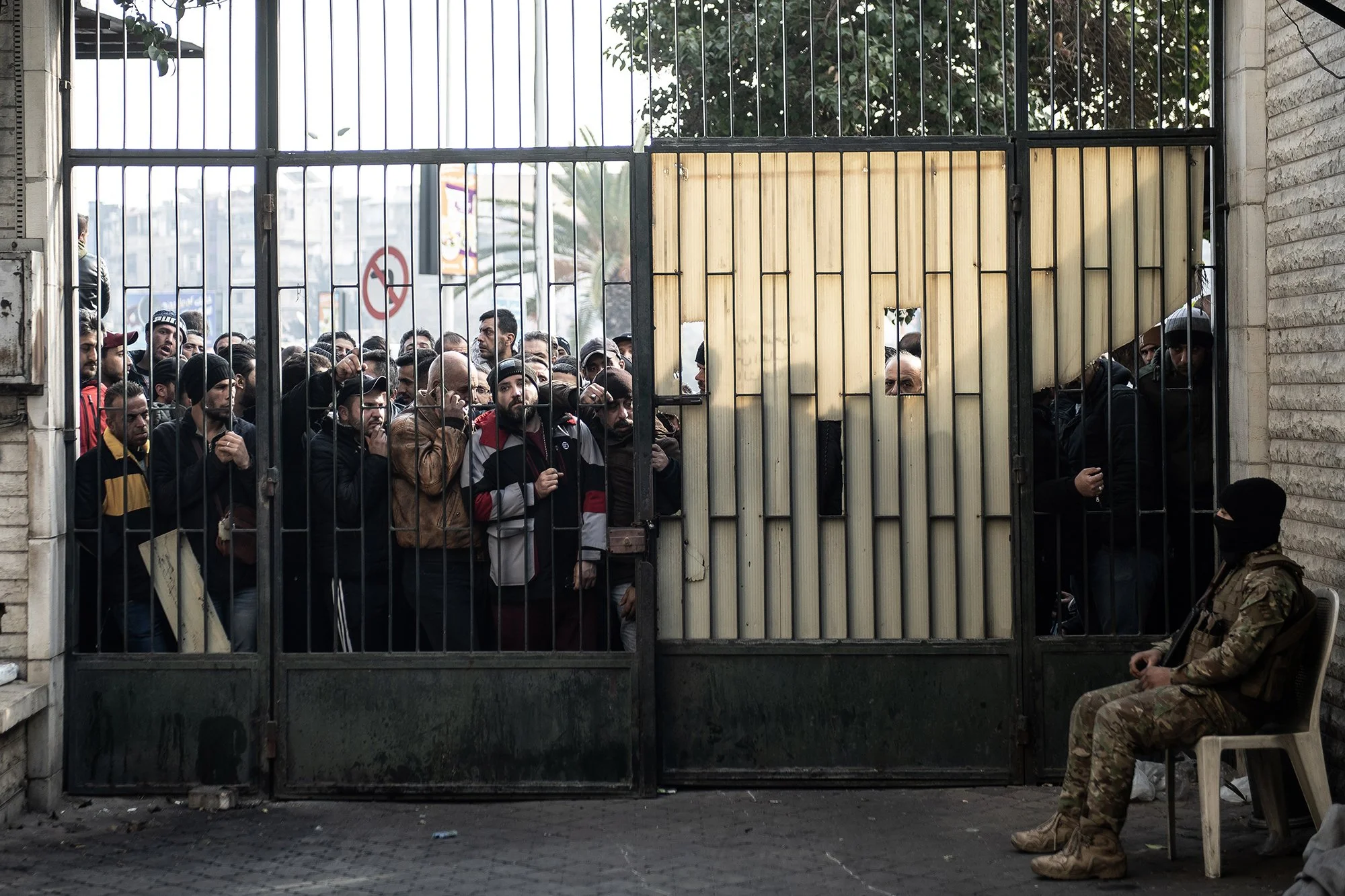
Photo by Hasan Belal, Damascus, Syria, 21 December 2024: Former soldiers of the Assad regime wait to resolve their status under the new government.

With the recent changes in Syria, including the fall of the Assad regime, how has the environment for photojournalists evolved? Are there new opportunities or challenges that have emerged?

In the first weeks after the fall, I could finally say I was a photojournalist working for the Turkish Anadolu Agency, an agency where you could have been killed in prison. It was truly a wonderful feeling, holding my camera and pointing it at civilians and soldiers. Everyone wanted to take pictures, and everyone was happy. This was something we were not used to in Syria, especially when dealing with security. I remember rushing into the streets during the early moments of the fall and beginning to photograph the convoys of  HTS (Hay'at Tahrir al-Sham) celebrating in the streets of Damascus. 

However, after a month, the challenges and difficulties began to resurface. The Ministry of Information and its officials, including journalists from the north (Idlib and Aleppo), considered all photographers and journalists in Damascus to be loyal to the Assad regime, myself included. This greatly upset me, as I had already suffered so much before the fall. I had been optimistic that all that fear and harassment would end, but unfortunately, the same issues returned.

Note: Idlib is a Syrian province to which many Syrians have migrated since 2018. It has since become a small state led by Abu Muhammad al-Julani where all those opposed to the regime gathered until liberation arrived.

Syrians joyfully celebrating in the streets

Photo by Hasan Belal, Damascus, Syria, 31 December 2024: People in Damascus celebrating the first New Year without Bashar al-Assad.

How do you feel about the current situation in the country? Can you tell us a bit of what is going on from within the borders?

On the national level, no one denies the joy felt by Syrians during the initial period, but Syria is a collapsed country. We still lack the fundamental components of a state. We do not have an army, heavy equipment, or any military presence to rely on in the face of foreign intervention, which is extremely dangerous. The economy is collapsing, and poverty and crime have increased, although they are still at acceptable levels. However, most Syrians depend on the state for their salaries, and now Syria has no money. Therefore, many employees have not received their salaries for four months, which is highly concerning.

Regarding  civil peace, minorities are now at greater risk than during Bashar al-Assad's time. More than 1,800 innocent Alawite people were killed on the coast by undisciplined armed factions affiliated with the new Ministry of Defense. This represents a major threat to civil peace, though  efforts are being made to restore stability, with both  the government and the people working hard towards this.

Socially, new waves of emigration have begun, primarily among minorities, who are preparing to leave, notably after the recent events on the Syrian coast.

People breaking their fast during Ramadan amidst rubble in Syria

Photo by Hasan Belal, Rural Aleppo, Syria, 2 February 2025: People gather for Iftar during Ramadan among the ruins of destroyed buildings.

What is the current state of visual education for photographers in Syria? Are there institutions or programmes supporting emerging photographers?

Unfortunately, there are no such programmes or institutions in Syria at the moment. In the past, a few private universities offered photography as a secondary subject within the architecture and arts curriculum, but there are no dedicated  institutes or training workshops for photography.

An elderly Syrian man in a yellow outfit, framed by the broken structure of an advertisement board.

Photo by Hasan Belal, Aleppo, Syria, 6 January 2025: Habou Zakour (62), a resident known as the "yellow man" because he wears yellow in all aspects of life—at work, at home, and even during breaks. In this photo, Abo Zakour pauses for a photo in front of the Citadel of Aleppo.

Looking ahead, what projects or themes do you hope to explore in your photography? How do you envision your role in shaping the narrative of Syria's future through your lens?

Right now, all I'm striving for is work and finding a suitable job opportunity, given the risk I face, especially the lack of stability. As for projects, I'm working on a long-term one called "Open the Drawer." You can follow my work on Instagram account and through my website.

As NOOR, we know the responsibility and importance of documenting the stories of communities in conflict zones. Visual storytellers like you play a vital role in bearing witness to these often harsh, yet essential realities.

We hope your journey will inspire others to reflect, engage, and continue documenting the stories that matter. Thank you so much for sharing your story with the NOOR community.
People in Syria celebrating

Photo by Hasan Belal, Eastern Ghouta, Syria, 8 January 2025: After six years of displacement, residents celebrate their return home following the fall of the regime. In 2018, the Syrian government forcibly displaced people from Eastern Ghouta to Idlib. Photo taken for Anadolu Agency.

Image in the header:
Photo by Hasan Belal, Duma, Rural Damascus, 10 May 2018: A wide view of the main street in Duma, showcasing the area during a critical moment of the Syrian conflict.


The second DISPATCH featured a visual story by photojournalist Yuri Segalerba on the spread of dengue fever in Nepal’s Himalayas, accompanied by an interview.


Do you like DISPATCHES by NOOR and want to see more? Support the NOOR Foundation with a donation. By supporting us, you contribute to the creation of educational programmes that empower storytellers to amplify urgent narratives often overlooked in mainstream media. Your support is crucial in enabling us to continue teaching and inspiring future generations of visual storytellers. Together, we can make a difference by creating deep, lasting connections and driving meaningful change through storytelling.

NOOR'S New Chapter: Embracing Change & Amplifying Voices

“NOOR wants to tell these stories. Their stories. They make a difference. We believe they can change people’s perspectives.” – Stanley Greene

Embracing Change & Amplifying Voices

At the heart of NOOR burns an inextinguishable fire fuelled by a passion to inspire action on the critical issues of our time through the power of visual storytelling. Since our founding in 2007, we have grown into a global collective of artists, storytellers, and visionaries who believe in the transformative impact of visual storytelling to create a fairer, more just place.

As the industry and global culture continue to shift, NOOR has been adapting to meet these changes. After much reflection and with the trust and support of our founding partners, whose legacy will always be a vital part of NOOR, we are taking a significant structural step forward: transitioning from a collectively owned agency led by its photographers to an independent foundation that supports a global community of visual storytellers and educational initiatives. This transformation enables us to more effectively support and showcase a diverse range of voices while carrying NOOR into a sustainable future. We are extremely grateful to NOOR’s authors, shareholders, and NOOR’s interim managing director, Bas Siers, for their guidance and essential contributions in making this important transition possible. Moving ahead, we look forward to continuing to work with NOOR’s former shareholders and the collective of visual storytellers in new and different capacities within our evolving organisational structure.

In line with this new framework, we are delighted to announce the appointment of Sarvenaz Fassihi as our new managing director. Sarvenaz brings extensive experience working with international foundations. With the support of NOOR's team and board, she will ensure a smooth transition to NOOR’s new organisational model.

Sarvenaz Fassihi is an Amsterdam-based strategist and consultant specialising in social impact and the creative and cultural industries. Having worked with global non-profit institutions in various capacities, she has expertise in issues such as gender, the climate crisis, migration, and social change. Sarvenaz holds a master’s degree from the UCLA, and a master’s degree from SOAS. Born in Iran, Sarvenaz spent her childhood living across continents, which has fostered her love for cross-cultural collaboration and knowledge exchange.

Future Vision: Our commitment remains steadfast: to address pressing global challenges—such as climate crisis, forced migration, and social injustice—through the lens of ethical representation and inclusivity. With this new chapter, NOOR aspires to be a global organisation that collaborates with local talent and expands its educational programmes to learn from and contribute to diverse perspectives.

We aim to create a future where visual storytelling reaches new heights, connecting people across borders and bringing critical narratives to the forefront. We are proud to share this exciting news with you and look forward to what we will achieve together.


Interview with Sarvenaz Fassihi

Read the interview with Sarvenaz Fassihi, NOOR's new managing director, as she discusses the foundation's new chapter and her future vision with head of communications & community, Betül Ellialtıoglu.

Photo © William Lounsbury

- Congratulations on your new role, Sarvenaz! Could you start by telling us a bit about yourself and what inspired you to take on the role of managing director at NOOR Foundation?

Thank you! Visual artists and cultural facilitators are at the heart of innovation. They are the constant forces propelling cultural, social, and critical policy changes on the pressing issues our world confronts today. I believe in the power of visual storytelling to drive change and connect with audiences across cultures and political spectrums. Having these stories told by the people who are directly affected, or in close contact with issues such as the climate crisis, migration, displacement and conflict is crucial to humanising their experiences, especially in a world where mass media is often, sadly, focused on the dehumanisation of these individuals.

On a personal level, I am a child of immigrants, and have lived in a number of countries because my birthplace was no longer safe. It is the stories and images, kept in boxes and carried with me throughout different stages of life, that have allowed me to understand my own and my people’s history from a nuanced perspective. This has helped me recognise the significance of personal archives in connecting to the shared experiences of others who have faced, and are facing, similar situations.

- Given your extensive experience with foundations, how do you plan to leverage that expertise to shape NOOR's new direction?

My experience with international and local organisations has equipped me with knowledge and expertise in change management that will help NOOR Foundation through its transition to becoming a sustainable organisation. With a strategic vision, a strong team, and the essential input from the NOOR board, partners, and community this goal is no doubt achievable. In addition, I hope to bring in my knowledge and experience, particularly in working with vulnerable and marginalised communities, to the programming of future projects and to NOOR as a whole.

It is very exciting to be a part of NOOR during this organisational transition to a foundation model. I am proud of the NOOR team and founding members for collectively making the decision to preserve its rich legacy while adapting a new model that ensures stories are sourced locally by those whose communities are directly affected. This approach builds local industries and capacities, builds trust, and helps to counter dominant narratives, which are often biased, politically driven, harmful and difficult to verify. I will be working with NOOR’s interim managing director, Bas Siers, and the rest of the NOOR’s dedicated team to ensure a smooth transition.

- NOOR is transitioning to a foundation with a focus on education and global community. How do you envision this shift impacting the organisation’s work and outreach?

I believe NOOR's core values and objectives will remain the same: to advance education and media literacy with a focus on diversity and representation. Our goal is to expand on this with a new organisational model, working with visual storytellers across the globe, supporting them to strengthen their capacities, and connecting them with colleagues and collaborators worldwide. It's amazing what can come out of collective efforts, and our goal in building a community is to create a basis for knowledge and exchange and provide the critical support needed to strengthen and amplify their voices. NOOR's role here is to facilitate this process, acting as a partner to support our community and learn from their experiences as much as they learn from us.

- How do you plan to engage with local communities and artists to ensure their voices are represented in NOOR's initiatives?

We will collaborate with local visual storytellers and past and present NOOR authors as facilitators and mentors for our educational programmes. They will provide valuable insights to inform us of local contexts and needs when co-creating these programmes. With environmental sustainability as part of our core ethos, we will also work with our local partners to develop exhibitions within their communities, countries, and regions. The NOOR Foundation will serve as a vehicle to share their stories and collaboratively present these exhibitions worldwide, with sustainability at its core, to influence mainstream narratives and inspire dialogue and debate to co-create change.

- What do you see as the biggest opportunities and challenges for NOOR in this transition, and how do you plan to address them?

The biggest opportunities and challenges go hand in hand. The challenge lies in the current state of our world: media saturation, censorship, political polarisation, and a disconnect between people and communities. However, this also presents our greatest opportunity: to collaborate with remarkable individuals and minds to take back conversations and spaces, focus on humanity and solutions, and create connection and nuanced perspectives.

- Finally, what message would you like to share with NOOR’s supporters and partners as we begin this exciting new chapter together?

Your support is invaluable and greatly appreciated during this exciting time of transition for NOOR. It is only through collective action that we can create a more just world, where every human story is valued and every image and narrative makes a difference. We look forward to engaging with all of you and sharing this journey together.
Header photo: © Stanley Greene / NOOR

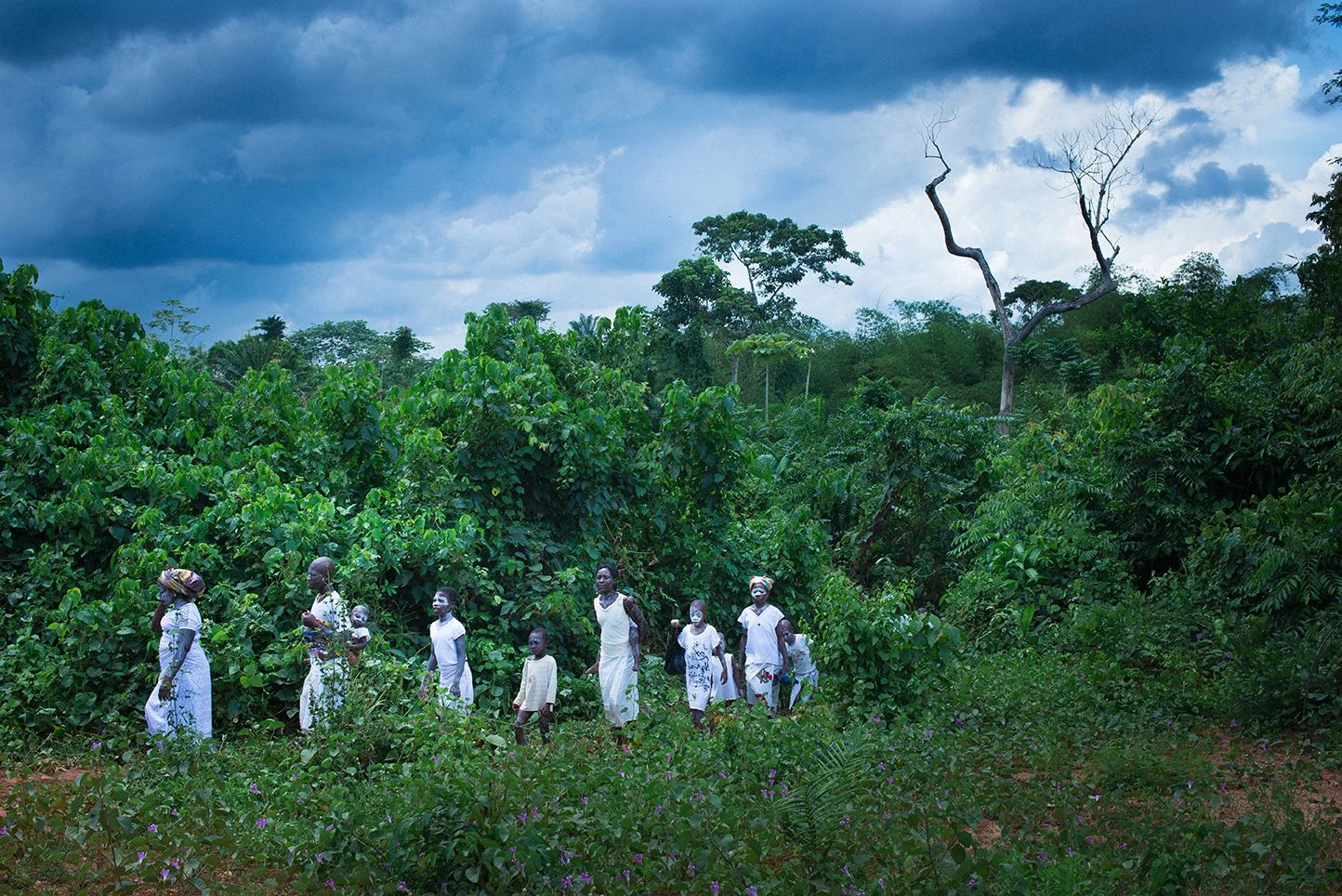
Survivors of the Samashki massacre - Women and children took flight after an infamous massacre. Russian troops are accused of destroying the village by torching houses, pillaging, raping and executing civilians. Of 100 people killed, only four were identified as rebels, April 1995.

Visualising Regenerative Agriculture Practises: Participants announced

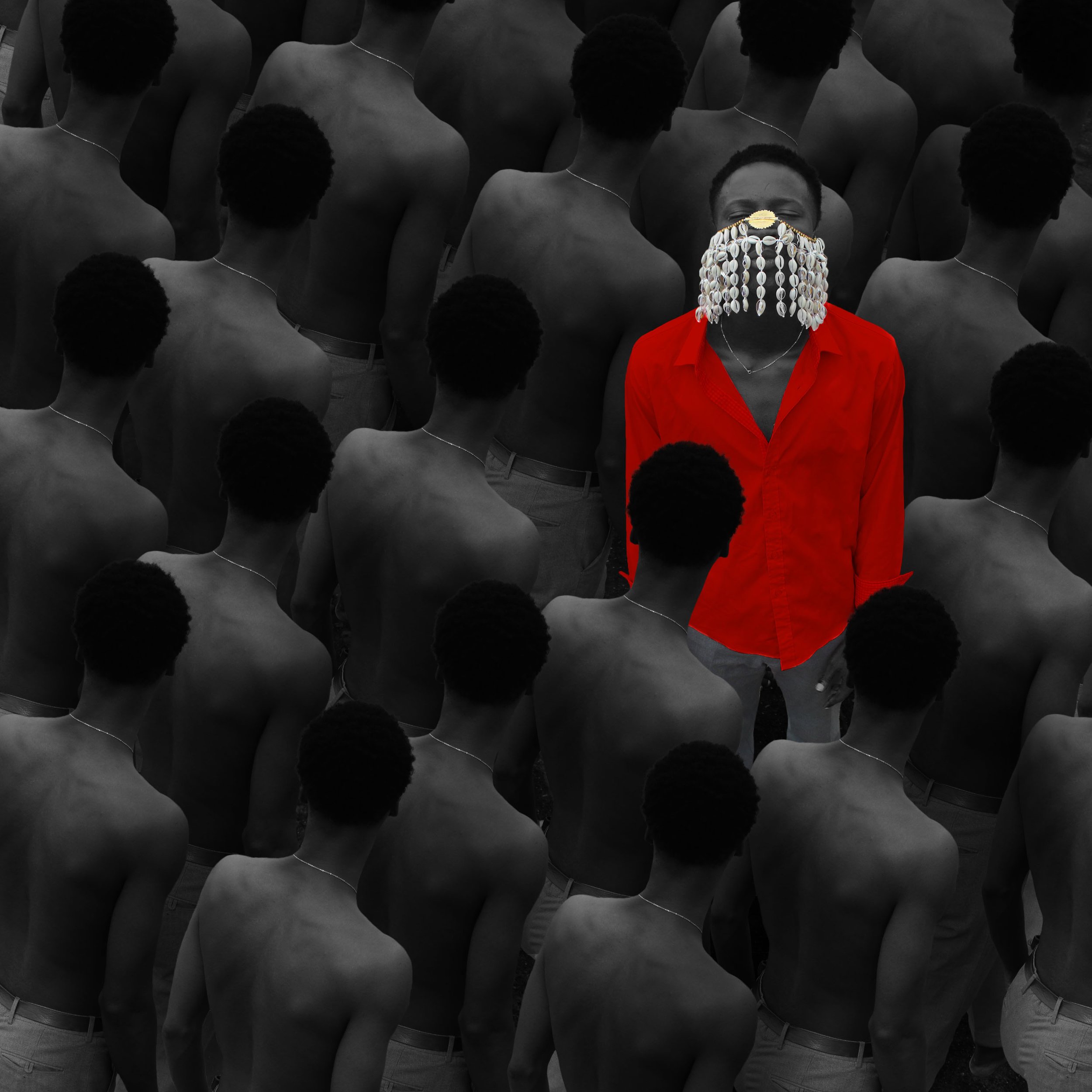
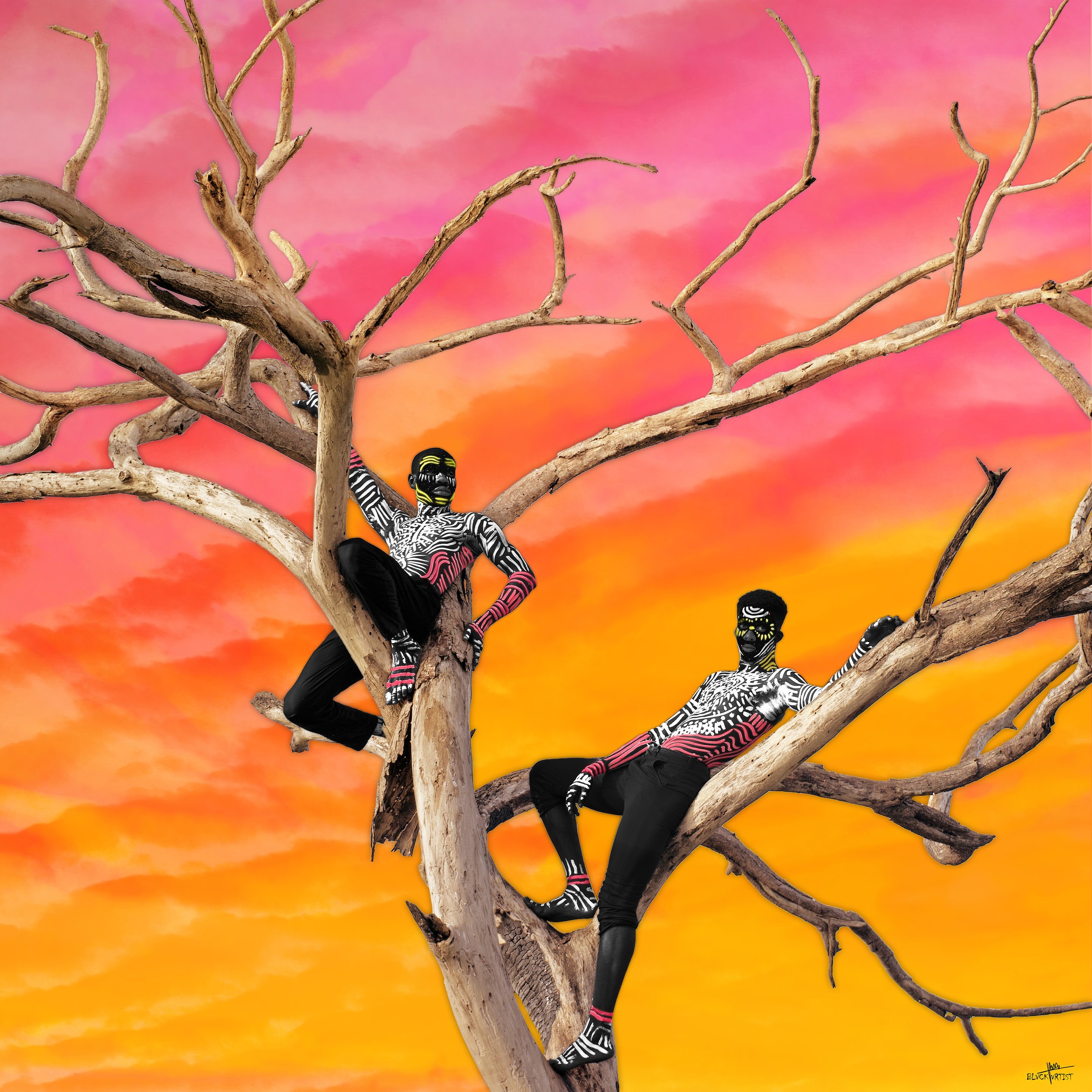
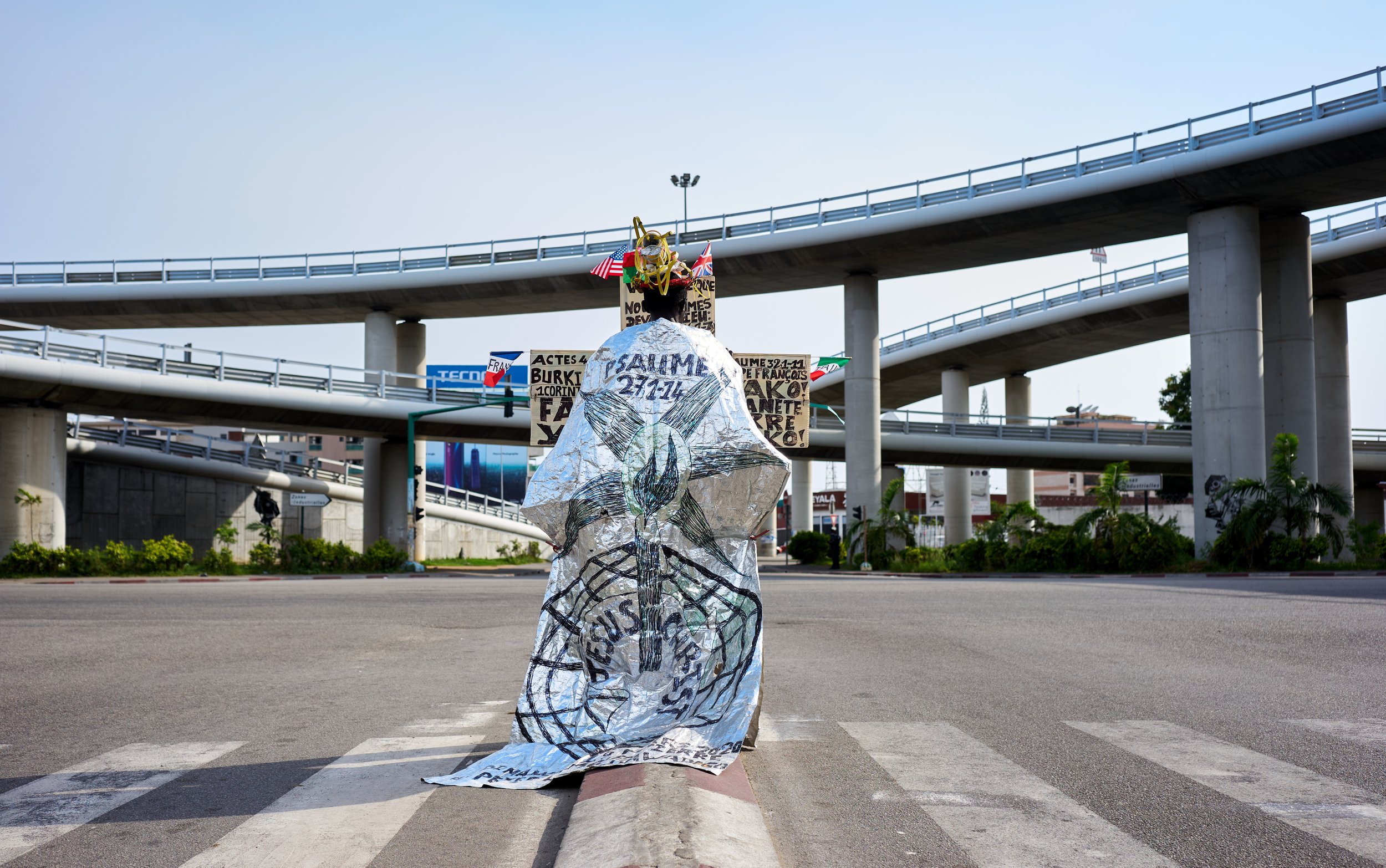
Announcing the participants of the Visualising Regenerative Agriculture Practises. Eight visual storytellers will take part in the Advanced Mentoring Programme of the NOOR Foundation led by mentors Bénédicte Kurzen and Aïda Muluneh in Côte d’Ivoire in 2023.

Backed by the Embassy of The Kingdom of The Netherlands in Abidjan, the NOOR Foundation will support eight visual storytellers in the identification, research and realisation of stories that investigate and highlight regenerative agricultural practices in Côte d'Ivoire.

Regenerative agriculture is an outcome-based food production system that aims to have a lower, or even net-positive environmental impact on the Earth. In the African context, regenerative agriculture means using smart farming techniques that work synergistically with the local climate and fertilise the soil while restoring lost wildlife and biodiversity. These high-yield techniques produce enough food to help feed a growing population and improve livelihoods in food systems. They also make the farms more resilient and adaptive, able to handle the changes in weather caused by climate change.
 

The adoption of regenerative agriculture practices has the potential to improve the livelihoods and resilience of farmers, processors and consumers. It can also help restore natural systems which, in the case of West Africa, are highly eroded from centuries of intensive farming.  

This programme is a 6-month advanced visual storytelling training course during which the participants will be guided and supported by the mentors and the educational team of the NOOR Foundation in the creation of impactful stories on regenerative agriculture practises in Côte d'Ivoire and Benin.

Mentored by award-winning photographers Bénédicte Kurzen (France) and Aïda Muluneh (Ethiopia / based in Côte d'Ivoire), the programme is a combination of a physical workshop in Abidjan and an online mentorship programme to develop individual projects on regenerative agriculture in the region.

PARTICIPANTS

The program's results will be showcased on the NOOR Foundation's website, social media, and at a closing event organized by participants, mentors, the NOOR Foundation, a local cultural institution, and the Embassy of The Kingdom of The Netherlands in Abidjan.

At this event, the work will be publicly displayed as an exhibition or digital presentation. The goal is to connect with young and diverse audiences, discussing the significance of embracing regenerative practices as a viable solution to environmental concerns and the challenges posed by the climate crisis.

Header image: © Mira Mariani

Open Call: NOOR Visual Storytelling Educational Programme on regenerative agriculture in Côte d’Ivoire

Submissions are open for the NOOR Visual Storytelling Educational Programme on regenerative agriculture in Côte d’Ivoire.

As the climate crisis accelerates and intensifies beyond the most dramatic projections, science-based research, indigenous knowledge and reciprocal practices tells us that we must restore our land, if we are to stand a chance at surviving the future. 

Are you a visual storyteller, photographer or visual artist interested in investigating and documenting regenerative agricultural practices in West Africa and their immense potential to make a positive societal and environmental impact on the region? Apply with an ongoing project or a project idea you hope to realise for a chance to earn a place in the tuition-free 6 months mentoring programme of the NOOR Foundation with authors Bénédicte Kurzen and Aïda Muluneh.

In the coming decades, Africa is set to become home to 40% of the world’s population and one region in particular, the 600-mile stretch between Abidjan and Lagos in West Africa is experiencing fast paced development at an astonishing speed. This rapid population growth, combined with extreme changes in the climate and the ecosystems it supports poses a very serious question: how is the region going to be able to feed the ever-growing population?

Experts believe the only solution lies in regenerative agriculture: an outcome-based food production system that aims to have a lower, or even net-positive environmental impact on the Earth. In the African context, regenerative agriculture means using smart farming techniques that work synergistically with the local climate and fertilise the soil while restoring lost wildlife and biodiversity. These high-yield techniques produce enough food to help feed a growing population and improve livelihoods in food systems. They also make the farms more resilient and adaptive, able to handle the changes in weather caused by climate change. 

The adoption of regenerative agriculture practices has the potential to improve the livelihoods and resilience of farmers, processors and consumers. It can also help restore natural systems which, in the case of West Africa, are highly eroded from centuries of intensive farming.  

Backed by the Embassy of The Kingdom of The Netherlands in Abidjan, the NOOR Foundation will support eight French-speaking Ivorian visual storytellers in the realisation of stories that investigate and highlight regenerative agricultural practices in Côte d'Ivoire.

What are the topics we are looking for:


Stories surrounding agricultural practices, challenges, issues and solutions in Côte d'Ivoire in times of climate change – that is the focus for the research and images produced during the NOOR Educational Programme.

What you receive when selected:

  • Tuition-free participation to the programme;

  • Travel costs, accommodation and food paid for during the 5-day live workshop (2 October - 6 October 2023);

  • 5-6 month mentoring programme by the NOOR Foundation in French;

  • 3-5 one-on-one online sessions with one of the mentors;

  • Participation of your story in the closing event in Abidjan which will take the form of an exhibition, a public presentation event, or a combination of different presentation forms;

  • Publication and promotion of your story on all the NOOR communications channels: newsletters, social media and website;

  • Access to the NOOR Network, a dynamic, international community where a variety of opportunities (including exhibitions, assignments, and other educational activities) will be openly accessible. 

What we expect from you when selected: 

  • Cooperation, flexibility, professionalism and commitment to the project: please keep in mind that when you are selected we are denying entry to someone else. 

  • Availability to travel to Abidjan to attend the live workshop between 2-6 October 2023, which is a mandatory part of the programme.

  • A visual story to deliver at the end of the programme (January-February 2024) composed of:

  1. Images (at least 20 high res captioned still and/or moving images: we also accept film/video but take note that we prefer photographs or a mix of both mediums); 

  2. A title and a project description (max. 500 words) in French;

  3. A source sheet wherein all data points have a note that connect them to a reliable source.

The programme is divided in 4 phases:

  1. An online kick-off session where you will be informed on the programme and mutual expectations.

  2. A 5-day live workshop in Abidjan between 02-06 October 2023 with mentors Bénédicte Kurzen and Aïda Muluneh;

  3. A 4 month online mentoring programme composed of 3-5 one-on-one sessions aimed at supporting the development and production of your chosen story;

  4. A closing event in Abidjan wherein your work will be presented publicly in the form of an exhibition or a digital presentation.

Apply before 28 July 2023 - 23:59 p.m. CET following the guidelines in the document below for a chance to participate in this unique opportunity.

©Aïda Muluneh - The Silence of Within - 2019

For any inquiries on the programme and the application process please write to stefano@noorimages.com.

Header photo: © Benedicte Kurzen / NOOR